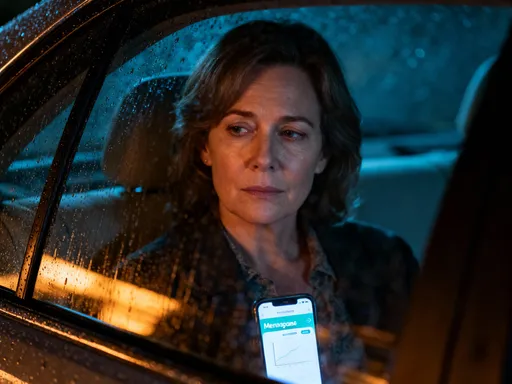
From Sleepless to Serene: How Online Health Platforms Gave Me Back My Nights
You know that feeling—tossing and turning, watching the clock tick past 2 a.m., your mind racing with tomorrow’s to-do list? I used to dread bedtime. What if I never got the rest I needed? Then I discovered something simple but life-changing: online health consultation platforms. No hype, no magic pills—just real guidance that fit into my real life. This isn’t about fixing everything overnight. It’s about finally feeling in control of your sleep, your energy, your days. And honestly? It changed everything.
The Nightly Struggle: When Sleep Feels Like a Distant Memory
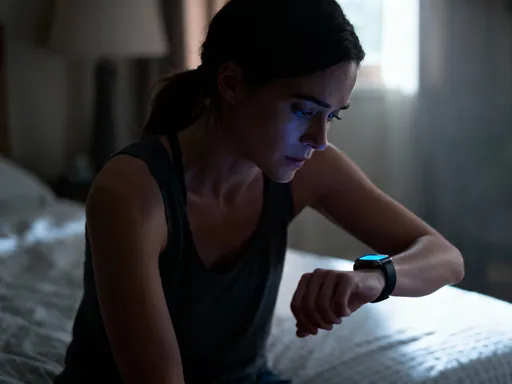
For years, bedtime wasn’t a relief—it was a battleground. I’d crawl under the covers, exhausted from a long day of juggling work, family, and endless little tasks, only to lie there, wide awake. My body was tired, but my brain wouldn’t shut off. Did I reply to that email? Did the kids finish their homework? What about the dentist appointment next week? The thoughts looped like a broken record, and before I knew it, hours had passed. I’d finally drift off just as the sun started to rise, only to wake up groggy, irritable, and already behind.
And I wasn’t alone. So many of us are living like this—functioning on fumes, relying on caffeine and sheer willpower to make it through the day. We tell ourselves it’s normal, that this is just what motherhood or midlife or modern life looks like. But deep down, I knew it wasn’t right. I wasn’t just tired. I was emotionally frayed. I snapped at my kids over small things. I’d forget simple details during meetings. My patience wore thin, and my joy felt muted, like someone had turned down the volume on life.
What I didn’t realize then was that chronic sleep disruption doesn’t just make you sleepy—it rewires your brain, weakens your immune system, and impacts your long-term health. It affects your mood, your focus, even your ability to connect with the people you love. I was surviving, but I wasn’t thriving. And the worst part? I felt completely powerless. I tried everything—sleeping pills (which left me groggy), melatonin (which sometimes helped, sometimes didn’t), and endless articles about “sleep hygiene.” But nothing addressed the real issue: I needed personalized support, not generic advice.
Discovering a New Path: Health Advice That Fits Into Real Life
I used to think getting help meant sitting in a cold doctor’s office, waiting 45 minutes just to have five minutes with a provider who barely looked up from their screen. I imagined being told to “just relax” or handed a prescription I wasn’t sure I wanted. So I avoided it—until my friend Sarah mentioned she’d been working with a sleep specialist through an online platform. “It’s like talking to a real doctor,” she said, “but from my living room, in my pajamas.”
That sounded too good to be true. But I was desperate. I looked into it and found a reputable online health service that connected users with licensed healthcare professionals—doctors, therapists, sleep coaches—all experienced in helping people with sleep challenges. The process was simple: sign up, fill out a short health questionnaire, and schedule a video or messaging consultation. No referrals, no insurance hassles, no judgment.
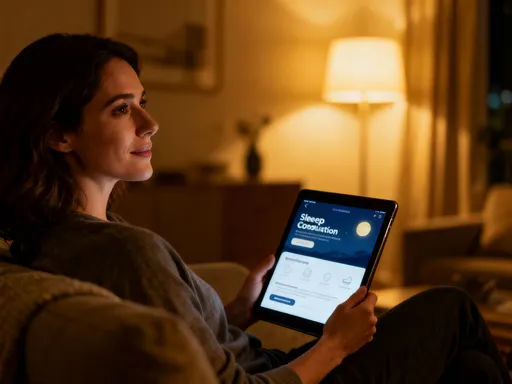
My first session was a revelation. I logged in from my couch, wrapped in a blanket, with a cup of chamomile tea—no rushing, no parking struggles, no waiting room full of coughing strangers. The provider, Dr. Ellis, was warm and attentive. She didn’t interrupt. She didn’t rush. She listened—really listened—as I poured out years of frustration, guilt, and exhaustion. For the first time, I felt seen. Not as a patient number, but as a real person with a real life.
She asked thoughtful questions—not just about my sleep, but about my schedule, stress levels, caffeine intake, and even my evening routines. She didn’t jump to conclusions or push medication. Instead, she said, “Let’s figure out what’s really going on here.” That simple shift—from being dismissed to being partnered in my care—was the beginning of real change.
From Generic Tips to Personalized Guidance
Before my consultation, I’d tried every sleep tip I’d ever read. I’d diffused lavender oil, played white noise, banned screens after 8 p.m., and even bought one of those fancy sunrise alarm clocks. Some things helped a little, but nothing lasted. Why? Because those tips weren’t designed for *me*. They were one-size-fits-all solutions for a deeply personal problem.
What made the difference was getting advice that actually fit my life. Dr. Ellis didn’t tell me to go to bed at 9 p.m. when I have kids who need help with homework until 8:30. She didn’t suggest cutting out coffee when I rely on my morning cup to function. Instead, we worked together to create a plan that respected my reality.
She noticed I was drinking herbal tea late in the evening—something I thought was harmless. But for me, getting up to use the bathroom was enough to disrupt my sleep cycle. So we adjusted the timing. She also saw that I was consuming caffeine too late in the day—my “innocent” afternoon chocolate habit was actually a hidden source. We didn’t eliminate it, but we moved it earlier. Small tweaks, but they made a big difference.
Most importantly, she helped me understand my sleep patterns. Through a simple sleep diary I tracked in the app, we could see trends—like how stressful workdays led to later bedtimes, or how weekend catch-up sleep actually made Monday mornings worse. This wasn’t guesswork. It was data-driven insight tailored to *my* body and *my* life. And that made all the difference.
Small Changes, Big Shifts: Building a Better Bedtime Routine
One of the first things Dr. Ellis asked was, “What does your wind-down routine look like?” I laughed. My routine was scrolling through my phone until I passed out. Not exactly calming. So we started small—just 15 minutes of intentional unwinding before bed. No pressure, no perfection.
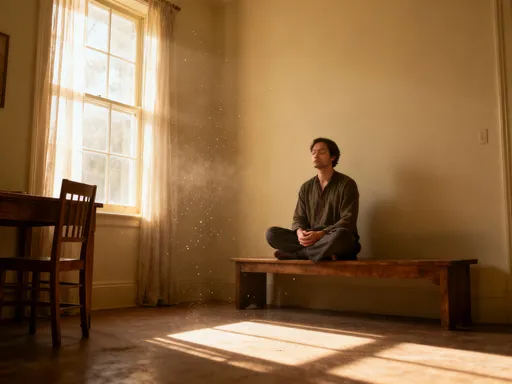
We began with a simple ritual: turning off screens, dimming the lights, and doing five minutes of mindful breathing. I’ll admit, I felt a little silly at first. Sitting in the dark, focusing on my breath? But within a few nights, I started to notice a shift. My mind wasn’t racing as much. I wasn’t lying there replaying conversations from the day. The breathing wasn’t a cure, but it was a signal to my body: it’s time to slow down.
The platform also offered guided audio sessions—soft-spoken meditations, body scans, and gentle visualizations. I found one called “Floating on a Calm Lake” that I played on nights when my thoughts were especially loud. It wasn’t about falling asleep immediately. It was about creating a sense of safety, of letting go. And slowly, sleep began to come more naturally.
We also adjusted my environment. I invested in blackout curtains—game changer. I started using an eye mask when traveling. And I moved my phone across the room, so I wouldn’t be tempted to check it. These weren’t dramatic overhauls. They were small, sustainable shifts that added up over time. And the best part? I didn’t have to do it alone. I could message Dr. Ellis anytime with questions—“Is it okay to nap on weekends?” “What if I eat late?”—and get a thoughtful, evidence-based response within hours.
Technology as a Support System, Not a Distraction
I used to think technology was the enemy of sleep. And in many ways, it is—endless scrolling, blue light, constant notifications. But what I’ve learned is that technology, when used intentionally, can actually be one of your greatest allies.
The app I used didn’t just connect me with my consultant. It became a personal sleep coach. It sent gentle reminders when it was time to start winding down. It tracked my sleep patterns over time, showing me progress even on nights when I didn’t feel like I’d slept well. And it celebrated small wins—like logging five nights in a row of falling asleep within 30 minutes. That kind of positive reinforcement made me feel motivated, not guilty.
One of my favorite features was the progress journal. Every morning, I could log how I felt—energy level, mood, any disruptions. Over time, I could see the connection between my habits and my sleep. For example, I noticed that when I took a short walk after dinner, I slept better. When I skipped my breathing practice, I took longer to fall asleep. These insights helped me take ownership of my routine.
And knowing I could reach out to my consultant anytime gave me a sense of security. Life doesn’t always go according to plan—sometimes I’d have a late work call, or the kids would be up sick. Instead of spiraling into anxiety, I could send a quick message: “Rough night—what should I do tomorrow to get back on track?” Having that support made all the difference. It wasn’t about being perfect. It was about staying connected to my goals, even when life got messy.
Sharing the Calm: How Better Sleep Changed My Days—and My Relationships
The most surprising thing about getting better sleep? It didn’t just improve my nights. It transformed my days. I started waking up feeling rested—actually rested, not just awake. I had more energy. I thought more clearly. I wasn’t walking around in a brain fog, trying to remember what I was supposed to do next.
But the real magic happened in my relationships. I was more patient with my kids. I listened instead of reacting. I had the mental space to enjoy the little moments—like my daughter’s excited retelling of her school day or my son’s goofy jokes at dinner. My partner noticed the change. “You seem lighter,” he said. “Like you’re really here.”
At work, I was more focused and productive. I stopped dreading afternoon meetings because I wasn’t fighting off a wave of fatigue. I even started saying no to things that didn’t serve me—something I never had the energy for before. Better sleep gave me back my confidence, my clarity, and my sense of self.
And because the changes were gradual and sustainable, they stuck. This wasn’t a quick fix. It was a new way of living. I didn’t have to white-knuckle my way through the day anymore. I had a rhythm, a routine, and a support system that made it possible.
A New Normal: Rest Is Possible, and It’s Closer Than You Think
I’ll be honest—there are still nights when I don’t sleep perfectly. Life happens. But now, I have tools. I have support. And most importantly, I have hope. Sleep doesn’t have to be a battle. It doesn’t have to be something you just endure until retirement. Help is available—and it’s more accessible than ever.
Online health platforms have made it possible to get personalized, compassionate care without leaving your home. You don’t need to wait months for an appointment. You don’t need to drive across town after a long day. You just need a few minutes, a quiet corner, and the willingness to ask for help.
This journey wasn’t about chasing perfection. It was about progress. It was about learning to listen to my body, honor my needs, and make small, meaningful changes that added up over time. And if I can go from sleepless to serene—from dreading bedtime to actually looking forward to it—then you can too.
Rest isn’t a luxury. It’s a necessity. And it’s within your reach. You don’t have to do it alone. There’s support out there—real, reliable, and ready when you are. So take that first step. Reach out. Ask for help. Because you deserve to feel rested. You deserve to feel like yourself again. And sometimes, all it takes is one small change to start a whole new chapter.