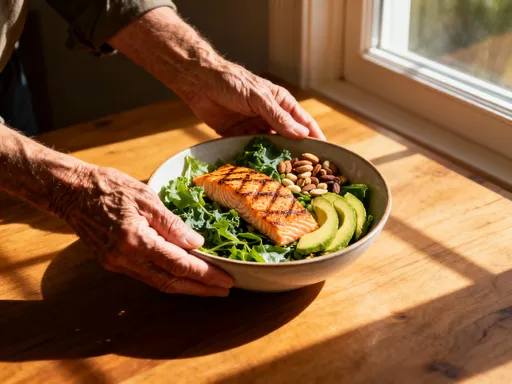
How I Found Balance During Menopause — A Real Woman’s Systematic Diet Approach
Menopause isn’t just hot flashes and mood swings — it’s a full-body shift. For years, I struggled with fatigue, weight changes, and brain fog until I realized diet was the missing link. This isn’t about quick fixes, but sustainable, science-backed eating principles that align with your changing hormones. I tested every method, tracked results, and finally built a system that works. Here’s how smart nutrition can transform your menopause journey — naturally and effectively.
Understanding the Menopause Shift: What’s Really Happening in Your Body
Menopause marks a significant biological transition, typically occurring between the ages of 45 and 55, when the ovaries gradually reduce production of key hormones, especially estrogen and progesterone. This hormonal decline is not an illness but a natural phase, yet its effects ripple through nearly every system in the body. One of the most profound changes is a slowing of metabolism, often by as much as 5% per decade after age 30, which accelerates during perimenopause and menopause. This means that even with the same diet and activity level, many women experience weight gain, particularly around the abdomen, due to shifting fat distribution.
Beyond weight, hormonal fluctuations disrupt sleep architecture, contributing to insomnia or frequent nighttime awakenings. Poor sleep, in turn, affects appetite-regulating hormones like leptin and ghrelin, increasing cravings for sugary, high-calorie foods. Many women also report brain fog — difficulty concentrating, memory lapses, or mental fatigue — which can be linked to both hormonal changes and poor sleep quality. These symptoms are not signs of personal failure; they are physiological responses to a major life transition.
Equally important is the impact on long-term health. Declining estrogen levels are associated with reduced bone density, raising the risk of osteoporosis. Estrogen also plays a protective role in cardiovascular health, so its decrease increases the likelihood of elevated blood pressure, unfavorable cholesterol levels, and arterial stiffness. Insulin sensitivity often diminishes during this time, making blood sugar regulation more challenging and increasing the risk of type 2 diabetes. These shifts are not flaws — they are signals that the body’s nutritional needs have evolved.
Therefore, the dietary habits that supported health in earlier decades may no longer be sufficient. The body now requires more strategic nourishment to maintain energy, support metabolic function, and protect against chronic conditions. Recognizing these changes is the first step toward empowerment. Instead of resisting the transition, women can adapt by aligning their eating patterns with their new hormonal reality. This means focusing on nutrient density, metabolic support, and sustainable habits that honor the body’s changing needs.
The Problem with Quick Fixes: Why Fad Diets Fail During Menopause
In response to menopausal weight gain or fatigue, many women turn to popular diets promising rapid results. Low-carb regimens, juice cleanses, intermittent fasting, and extreme calorie restriction are commonly adopted, often with initial success. However, these approaches frequently backfire in midlife due to the unique metabolic and hormonal landscape of menopause. The body during this phase is more sensitive to energy deficits, and severe dietary restrictions can trigger counterproductive physiological responses that undermine long-term health.
For example, drastically cutting calories may lead to short-term weight loss, but it also risks muscle loss, especially when protein intake is inadequate. Since muscle tissue is metabolically active, losing it further slows the already-declining metabolism, making future weight management even more difficult. Additionally, severe restriction can elevate cortisol, the stress hormone, which not only increases abdominal fat storage but also disrupts sleep and worsens mood swings — two common menopausal concerns.
Low-carb diets, while effective for some, can be problematic if they eliminate too many nutrient-dense carbohydrates like whole grains, legumes, and fruits. These foods provide fiber, B vitamins, and antioxidants essential for energy production, gut health, and hormonal balance. Eliminating them may lead to constipation, fatigue, and micronutrient deficiencies. Juice cleanses, often marketed as detox solutions, are typically low in protein and fiber, leading to blood sugar spikes and crashes that exacerbate energy fluctuations and irritability.
Moreover, fad diets often promote an all-or-nothing mindset, setting unrealistic expectations that lead to guilt and frustration when lapses occur. This cycle of restriction and relapse can damage the relationship with food and diminish self-trust. The truth is, menopause is not a phase to be endured through deprivation. It is a life stage that calls for consistency, balance, and compassion. Sustainable change comes not from intensity, but from small, repeatable habits that support the body without triggering stress. The goal is not to shrink the body, but to strengthen it — physically, mentally, and emotionally.
Principle 1: Prioritize Protein to Protect Muscle and Metabolism
One of the most effective dietary strategies during menopause is increasing protein intake. As estrogen levels drop, the body becomes less efficient at maintaining muscle mass, a process known as sarcopenia. Muscle is not just important for strength; it plays a crucial role in metabolism, glucose regulation, and overall vitality. Losing muscle accelerates metabolic slowdown, making it easier to gain fat and harder to lose it. Therefore, preserving lean mass through adequate protein is essential for long-term health and energy balance.
The recommended dietary allowance (RDA) for protein is 0.8 grams per kilogram of body weight, but many experts suggest that women over 50 may benefit from 1.0 to 1.2 grams per kilogram to counteract muscle loss. For a 150-pound woman, this translates to about 68 to 82 grams of protein daily. Even more important than total intake is distribution — consuming protein evenly across meals rather than concentrating it at dinner. This approach maximizes muscle protein synthesis, the process by which the body repairs and builds muscle tissue.
Practical sources of high-quality protein include Greek yogurt, eggs, cottage cheese, legumes, tofu, tempeh, fish, skinless poultry, and lean cuts of beef or pork. Plant-based proteins like lentils, chickpeas, and quinoa are excellent options, especially when combined with whole grains to form complete amino acid profiles. Including a source of protein at breakfast — such as eggs with vegetables or a smoothie with protein powder and nut butter — can stabilize blood sugar and reduce mid-morning cravings.
Protein also enhances satiety, helping women feel fuller for longer and reducing the urge to snack on processed foods. It supports stable energy levels by preventing sharp insulin spikes, which is particularly valuable during a phase when insulin sensitivity may be declining. Over time, consistent protein intake contributes to better body composition, improved strength, and greater resilience against age-related physical decline. This is not about adopting a high-protein fad diet, but about making protein a foundational element of every meal to support the body’s changing needs.
Principle 2: Choose Complex Carbs Over Refined Ones for Stable Energy
Carbohydrates have faced widespread criticism in recent years, but not all carbs are created equal. During menopause, the quality of carbohydrates consumed plays a critical role in managing energy, mood, and weight. Refined carbohydrates — such as white bread, pastries, sugary cereals, and processed snacks — are stripped of fiber and nutrients, leading to rapid spikes in blood glucose and insulin. Over time, frequent consumption of these foods can worsen insulin resistance, a common issue in midlife women, increasing the risk of weight gain, fatigue, and metabolic syndrome.
In contrast, complex carbohydrates are rich in fiber, vitamins, and phytonutrients. These include whole grains like oats, brown rice, quinoa, and barley; starchy vegetables such as sweet potatoes and squash; legumes; and most fruits and vegetables. These foods release glucose slowly into the bloodstream, providing steady energy and reducing the likelihood of crashes that contribute to irritability and brain fog. Their high fiber content also supports gut health, promotes regular bowel movements, and helps regulate cholesterol levels.
Swapping refined for complex carbs is a simple yet powerful change. For example, choosing oatmeal instead of a sugary breakfast pastry provides sustained energy and essential nutrients like magnesium and B vitamins, which support nerve function and stress management. Replacing white rice with brown or wild rice increases fiber intake and improves satiety. Opting for whole grain bread over white bread enhances nutrient density without sacrificing taste or convenience.
Additionally, pairing carbohydrates with protein or healthy fats further stabilizes blood sugar. A snack of apple slices with almond butter, for instance, combines fiber-rich fruit with protein and fat, preventing a rapid rise in blood glucose. This balanced approach not only supports metabolic health but also improves emotional well-being, as blood sugar fluctuations are closely linked to mood swings. By redefining the role of carbohydrates — not as enemies, but as essential sources of energy and nourishment — women can make choices that honor their body’s need for stability and strength.
Principle 3: Embrace Healthy Fats for Hormonal and Brain Support
Fats have long been misunderstood, particularly in the context of weight management. However, during menopause, healthy fats are not optional — they are essential. Hormones, including estrogen and progesterone, are synthesized from cholesterol, meaning that dietary fat plays a direct role in hormonal balance. Low-fat diets, once widely promoted, can deprive the body of the raw materials needed for hormone production, potentially worsening symptoms like vaginal dryness, low libido, and mood instability.
Moreover, the brain is composed of nearly 60% fat, and its function depends on a steady supply of essential fatty acids. Omega-3 fats, found in fatty fish like salmon, mackerel, and sardines, as well as in flaxseeds, chia seeds, and walnuts, have been shown to support cognitive function and reduce inflammation. Many women report improved mental clarity and reduced brain fog when they increase their intake of these fats. Monounsaturated fats, such as those in avocados, olive oil, and nuts, also contribute to brain health and cardiovascular protection.
Healthy fats aid in the absorption of fat-soluble vitamins — A, D, E, and K — which are critical for immune function, bone health, and skin integrity. Vitamin D, in particular, is vital during menopause, as it works synergistically with calcium to maintain bone density. Without adequate fat in the diet, even fortified foods or supplements may not be fully utilized by the body.
Incorporating healthy fats into daily meals is both simple and satisfying. Drizzling olive oil over roasted vegetables, adding sliced avocado to a salad, snacking on a handful of almonds, or including fatty fish in the weekly menu are practical ways to support hormonal and neurological health. These fats also enhance satiety, helping to prevent overeating and reducing the urge for between-meal snacking. Rather than fearing fat, women should learn to welcome it as a vital component of a balanced, nourishing diet that supports both internal balance and outward vitality.
Principle 4: Stay Hydrated and Mind Your Micronutrients
Hydration is often overlooked, yet it plays a surprisingly powerful role in managing menopausal symptoms. Dehydration can intensify hot flashes, contribute to fatigue, and worsen constipation — all common concerns during this phase. As the body’s water content naturally decreases with age, the sensation of thirst may also diminish, making it easier to fall into a state of chronic, low-level dehydration. Drinking adequate fluids — primarily water, herbal teas, and water-rich foods like cucumbers, melons, and soups — helps regulate body temperature, supports digestion, and maintains energy levels.
Equally important is attention to key micronutrients that become more critical during menopause. Calcium and vitamin D are well-known for their role in bone health. With declining estrogen, bone resorption outpaces formation, increasing fracture risk. The National Institutes of Health recommends 1,200 mg of calcium daily for women over 50, which can be obtained from dairy products, fortified plant milks, leafy greens like kale and bok choy, and certain fish with edible bones, such as canned sardines and salmon.
Vitamin D, which enhances calcium absorption, is difficult to obtain solely from food. While fatty fish, egg yolks, and fortified foods provide some, many women benefit from sunlight exposure or supplementation, especially in northern latitudes or during winter months. A blood test can determine individual needs, and healthcare providers can offer guidance on appropriate dosing.
Magnesium is another crucial mineral, involved in over 300 enzymatic reactions, including muscle relaxation, nerve function, and sleep regulation. It may help reduce the frequency of nighttime awakenings and muscle cramps. Good dietary sources include pumpkin seeds, spinach, black beans, and whole grains. B vitamins, particularly B6, B12, and folate, support energy metabolism and cognitive function. They are found in eggs, poultry, legumes, nutritional yeast, and fortified cereals.
Rather than relying on multivitamins alone, the goal should be to obtain nutrients primarily from whole foods. Reading food labels can help identify fortified options, and meal planning can ensure a variety of nutrient-dense ingredients are included throughout the week. Small, consistent efforts — such as adding a serving of leafy greens to lunch or including a daily yogurt — can close nutrient gaps without requiring drastic changes.
Putting It All Together: Building a Realistic, Personalized Eating Pattern
Applying these principles does not require perfection or complicated meal plans. The goal is to create a flexible, realistic eating pattern that supports long-term well-being. Consider a sample day that integrates all four principles: breakfast might include scrambled eggs with spinach and tomatoes, half an avocado, and a slice of whole grain toast. This meal provides protein, healthy fats, complex carbohydrates, and fiber. A mid-morning snack could be Greek yogurt with berries and a sprinkle of chia seeds, offering additional protein, calcium, and omega-3s.
Lunch might feature a quinoa bowl with black beans, roasted sweet potatoes, kale, and a tahini-lemon dressing. This combination delivers plant-based protein, complex carbs, fiber, and healthy fats. An afternoon snack of apple slices with almond butter balances natural sugars with protein and fat to prevent energy crashes. Dinner could be baked salmon with steamed broccoli and brown rice, providing omega-3s, vitamins, and sustained energy. A small piece of dark chocolate might serve as a satisfying evening treat, offering antioxidants without excess sugar.
Meal timing and portion awareness are helpful but should not become sources of stress. Eating every three to four hours can support stable blood sugar, but listening to hunger and fullness cues is equally important. Mindful eating — slowing down, savoring flavors, and minimizing distractions — enhances digestion and satisfaction. The focus should be on progress, not perfection. If one meal is less balanced, the next offers a new opportunity to make a nourishing choice.
Gradual changes are more sustainable than overhauls. A woman might start by adding protein to breakfast, then incorporate more vegetables into dinners, and eventually adjust her fat intake. Self-compassion is essential; menopause is not a time for rigid rules or self-criticism. It is a phase of transition that deserves patience and care. Before making significant dietary changes, especially for those with conditions like diabetes, heart disease, or thyroid disorders, consulting a healthcare provider or registered dietitian ensures that choices are safe and appropriate.
Conclusion: Nutrition as a Lifelong Partner Through Menopause and Beyond
Nutrition is not a cure for menopause, but it is one of the most powerful tools available for navigating this phase with strength and clarity. By understanding the body’s changing needs and responding with intention, women can reduce uncomfortable symptoms, protect long-term health, and reclaim a sense of control. This is not about punishment, restriction, or chasing an outdated ideal of youth. It is about self-respect — honoring the body with foods that nourish, sustain, and empower.
The principles outlined — prioritizing protein, choosing complex carbs, embracing healthy fats, and staying hydrated while minding micronutrients — are not temporary fixes. They are lifelong practices that support vitality far beyond menopause. Small, consistent choices compound over time, leading to meaningful improvements in energy, mood, and physical resilience. The journey is personal, and there is no single right way to eat. What matters most is finding a balance that feels sustainable and supportive.
Menopause is not an end, but a transition into a new chapter of life. With knowledge, care, and realistic hope, women can approach it not with fear, but with confidence. By treating nutrition as a partner in this journey, they equip themselves with the foundation to thrive — today, tomorrow, and for years to come.