Listen to Your Body: Small Shifts That Keep You Ahead of Illness
You don’t need extreme diets or expensive supplements to stay healthy—just real, daily adjustments that work with your body, not against it. I’ve learned this the hard way, through fatigue, stress, and burnout. What changed? Simple, science-backed habits that support prevention naturally. This is about tuning in, making mindful shifts, and staying ahead of problems before they start. Health isn’t just the absence of illness; it’s the presence of balance, resilience, and awareness. And the most powerful tool we have isn’t found in a pharmacy—it’s already within us, whispering cues we’ve been trained to ignore. Listening closely, responding gently, and acting early—that’s where true wellness begins.
The Wake-Up Call: When Ignoring My Body Backfired
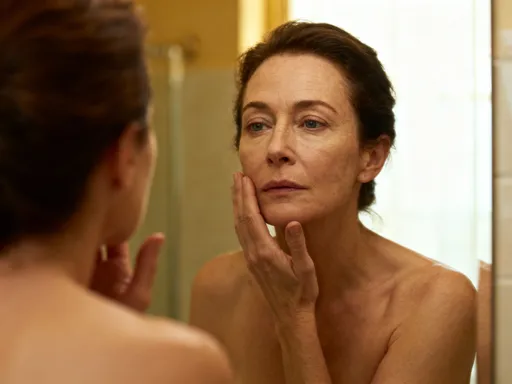
For years, I believed I was doing everything right. I ate salads, avoided sugar most of the time, and occasionally went to the gym. On paper, I looked healthy. But inside, something was off. I was constantly tired, even after eight hours of sleep. I caught every cold that went around the office. My energy dipped sharply in the afternoons, and I relied on coffee just to stay upright. Headaches became routine. I dismissed it all as part of being a busy woman—juggling work, family, and household responsibilities. I thought fatigue was just the price of adulthood.
Then came the turning point. After months of feeling run-down, I developed a persistent cough that wouldn’t go away. My doctor ran tests and found nothing serious—no infection, no chronic illness. But she looked at me and said something I’ll never forget: “Your body is sending you signals. You’ve been ignoring them for too long.” That moment hit me like a wake-up call. I hadn’t been sick in a dramatic way, but my body had been quietly struggling, and I hadn’t listened.
It made me realize how many of us operate on autopilot, mistaking survival for health. We push through exhaustion, dismiss aches as normal, and treat burnout as a badge of honor. But the truth is, our bodies are constantly communicating. A stiff neck, poor digestion, trouble sleeping—these aren’t just inconveniences. They’re early warnings. And when we ignore them, small imbalances can snowball into bigger health issues down the road. Prevention doesn’t happen by accident. It requires attention, intention, and a willingness to slow down and listen.
What Is Body Adjustment, Really? (And Why It’s Not Just “Feeling Good”)
When we talk about body adjustment, it’s not just about feeling more energetic or less stressed—though those are welcome benefits. It’s about aligning our daily habits with our body’s natural physiology so that we support its ability to maintain balance. This balance, known in science as homeostasis, is the foundation of health. It’s how your body regulates temperature, blood sugar, hormone levels, and immune function without you even thinking about it. But when lifestyle factors like poor sleep, chronic stress, or inactivity disrupt this balance, the body has to work harder to compensate.
Over time, these small disruptions accumulate. You might not notice them at first, but they wear down your resilience. For example, consistently getting less than seven hours of sleep can weaken immune response, making you more susceptible to infections. Sitting for long periods slows circulation and metabolism, increasing the risk of cardiovascular strain. Even emotional stress triggers real physiological changes—elevated cortisol levels can impair digestion, disrupt sleep, and suppress immune activity. These aren’t dramatic failures; they’re quiet shifts that, left unchecked, can lead to long-term health challenges.
Body adjustment means paying attention to these subtle shifts and making small, consistent changes to support your body’s natural rhythms. It’s not about perfection or drastic overhauls. It’s about creating a lifestyle that works with your biology, not against it. When you align your habits with your body’s needs—through better sleep, mindful movement, stress management, and nourishing food—you’re not just feeling better today. You’re building a stronger defense against illness tomorrow. That’s the power of prevention: small actions, consistently applied, that compound into lasting health.
Sleep: The Silent Reset Button I Used to Ignore
Sleep was the first area I changed—and the impact was almost immediate. For years, I treated sleep as a luxury, something to fit in after everything else was done. I’d stay up late answering emails, scrolling through my phone, or watching one more episode of a show. I told myself I’d catch up on weekends. But my body didn’t care about my schedule. I woke up groggy, struggled to focus, and felt mentally foggy by mid-morning. It wasn’t until I prioritized sleep as a non-negotiable part of my health routine that I saw real change.
Within just a few days of going to bed at the same time each night and turning off screens an hour before bed, my energy improved. My mind felt sharper. I stopped reaching for that second cup of coffee. What I didn’t realize at the time was that sleep isn’t passive downtime—it’s active maintenance. While you’re asleep, your body repairs tissues, consolidates memories, and strengthens the immune system. Your brain clears out toxins that accumulate during the day. This is when your body resets, rebalances, and prepares for the next 24 hours.
So how did I make the shift? First, I set a consistent bedtime—even on weekends. Our bodies thrive on routine, and a regular sleep schedule helps regulate your internal clock. Next, I created a wind-down ritual: dimming the lights, brewing herbal tea, and reading a physical book instead of my phone. Blue light from screens suppresses melatonin, the hormone that helps you fall asleep, so reducing exposure in the evening made a noticeable difference. I also made my bedroom a sleep sanctuary—cool, quiet, and free from distractions. These small changes weren’t hard, but they were powerful. And the result? I stopped feeling like I was dragging myself through the day. Sleep became my silent reset button, and it transformed my health from the inside out.
Moving Differently, Not Harder: My Low-Effort Movement Shift
I used to think exercise had to be intense to count. Long runs, high-intensity classes, heavy weights—anything less felt like I wasn’t doing enough. But the truth is, I rarely stuck with it. Life got busy, I felt sore, and eventually, I’d quit. What changed was shifting my mindset from “exercise as punishment” to “movement as maintenance.” Instead of focusing on burning calories, I started focusing on supporting my body’s natural functions—circulation, joint mobility, and energy flow.
Now, my movement routine looks nothing like a fitness influencer’s. I walk—every day, rain or shine. Sometimes it’s 15 minutes around the block; other days, it’s a longer walk in the park. I stretch when I wake up and again before bed. I pay attention to my posture when I’m sitting at my desk or cooking dinner. These aren’t workouts in the traditional sense, but they’re incredibly effective. Research shows that low-intensity, consistent movement improves circulation, supports metabolism, and reduces inflammation—all of which contribute to long-term disease prevention.
And it’s not just about dedicated exercise time. I’ve woven movement into my daily life. I take walking meetings when possible. I stand up and stretch during phone calls. I park farther away from store entrances. These small choices add up. Non-exercise activity thermogenesis (NEAT)—the energy you burn through everyday movement—plays a bigger role in metabolic health than many realize. The key is consistency, not intensity. You don’t need to run a marathon to be healthy. You just need to keep your body moving in ways that feel good and sustainable. That’s how movement becomes a natural part of life, not another item on an overwhelming to-do list.
Stress Isn’t Just Mental—It Lives in Your Muscles, Gut, and Immune System
We often think of stress as something that happens in the mind—anxiety, worry, overwhelm. But stress isn’t just psychological; it’s physiological. When you’re stressed, your body activates the sympathetic nervous system, triggering the “fight-or-flight” response. Your heart rate increases, your muscles tense, and stress hormones like cortisol flood your system. This response is useful in short bursts—like when you need to react quickly to danger. But when stress becomes chronic, that same response starts to harm your body.
I began to notice the physical signs: tight shoulders, jaw clenching, and digestive discomfort. I was more prone to headaches and caught colds more easily. My sleep suffered. I didn’t connect these symptoms to stress at first—I thought they were just part of getting older. But the reality is, chronic stress weakens the immune system, disrupts digestion, and contributes to inflammation, which is linked to a wide range of health issues, from heart disease to autoimmune conditions.
So I started taking stress management seriously—not as a luxury, but as preventive healthcare. I incorporated simple tools into my day. Deep breathing exercises—just five minutes of slow, intentional breaths—help calm the nervous system. I began journaling, not to solve problems, but to release them from my mind. I scheduled downtime, treating it as essential as any appointment. These practices didn’t eliminate stress—life will always have challenges—but they helped me respond differently. Instead of staying in a constant state of tension, I learned to reset. And over time, my body began to relax. My digestion improved. My energy stabilized. I stopped feeling like I was always on edge. Calming the nervous system isn’t just about feeling better—it’s about protecting your long-term health.
Eating for Balance, Not Perfection: How I Stopped Dieting and Started Healing
Like many women, I’ve tried my share of diets—low-carb, juice cleanses, intermittent fasting. Some worked short-term, but none felt sustainable. I’d lose a few pounds, then regain them. I felt deprived, then guilty. What finally changed was shifting my focus from weight loss to nourishment. Instead of asking, “What can I cut out?” I started asking, “What can I add in?” This small change in mindset made all the difference.
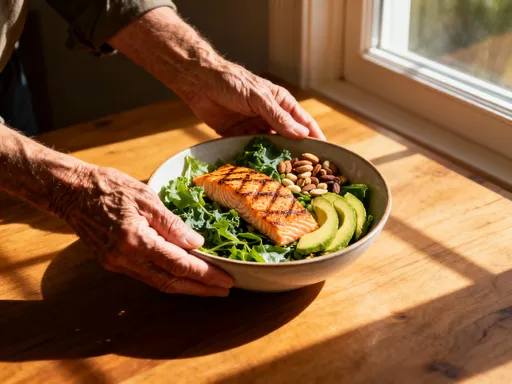
Now, my plate is filled with whole, minimally processed foods—vegetables, fruits, whole grains, legumes, and lean proteins. I drink more water throughout the day, which helps with energy and digestion. I eat slowly, paying attention to how food makes me feel. I’ve reduced foods that cause inflammation—like excess sugar and refined carbs—not because I’m following a strict rule, but because I notice how much better I feel without them. This isn’t about perfection. I still enjoy treats occasionally. But the foundation of my diet supports my body’s natural defenses.
Hydration, fiber, and mindful eating play a big role in this shift. Fiber feeds the beneficial bacteria in your gut, which is closely linked to immune function. Staying hydrated supports every system in your body, from circulation to detoxification. And eating slowly allows your brain to register fullness, preventing overeating. I don’t count calories or track macros. I just aim for balance. My meals now look different than they used to—more color, more variety, more nourishment. And the result? Fewer energy crashes, better digestion, and a stronger sense of well-being. Eating this way isn’t a diet. It’s a way of caring for myself, one meal at a time.
Building a Prevention Mindset: Small Choices That Compound Over Time
One of the biggest lessons I’ve learned is that consistency beats intensity. You don’t need to make huge changes to see results. Small, daily choices—going to bed 20 minutes earlier, drinking an extra glass of water, taking a short walk—add up over time. Health isn’t built in a day. It’s built in the small moments, repeated over weeks and months.
I track my progress not by the scale, but by how I feel. Do I have steady energy? Am I sleeping well? Do I recover quickly from a busy day? These are the real indicators of health. And when I notice a dip—say, I’m feeling more tired than usual—I don’t wait for it to become a problem. I make a small adjustment. Maybe I go to bed earlier. Maybe I take a few minutes to breathe deeply. These aren’t dramatic fixes. They’re gentle corrections that keep me on track.
The goal isn’t to add more to my plate, but to make health a natural part of my life. I don’t view these habits as chores. They’re acts of self-respect. They remind me that my body is worth listening to, worth caring for. And the more I tune in, the more I realize how much it has been trying to tell me all along. Prevention isn’t about fearing illness. It’s about honoring your body’s wisdom and supporting its ability to stay strong, balanced, and resilient.
Staying Ahead by Staying Tuned In
Looking back, I see how far I’ve come—not because I followed a strict regimen, but because I learned to listen. The changes I’ve made aren’t flashy or extreme. They’re simple, sustainable, and rooted in science. Better sleep. Gentle movement. Stress management. Nourishing food. These aren’t miracle cures. They’re everyday practices that support long-term wellness. And together, they’ve helped me stay ahead of illness, not by fighting my body, but by working with it.
Preventive healthcare doesn’t start with a diagnosis. It starts with awareness. It starts with noticing when you’re tired, when you’re tense, when you’re not feeling like yourself. It starts with making small shifts before problems grow. And it grows stronger with every choice that honors your body’s needs. This isn’t about achieving perfection. It’s about building a life where health is woven into the fabric of your day—quietly, consistently, and with care.
These strategies are personal insights, not medical advice. Every body is different, and what works for one person may not work for another. If you’re experiencing persistent symptoms or have health concerns, it’s important to consult a qualified healthcare professional. But for those of us looking to feel better, stay well, and age with strength and vitality, the path begins with listening. Your body is speaking. Are you ready to hear it?