How I Transformed My Hair Care Routine with Simple Daily Movements
You’ve probably never thought that the way you move your body could affect your hair—until now. I didn’t either, until I noticed real changes after adding just a few mindful exercises to my daily routine. This isn’t about magic fixes or extreme diets. It’s about how improving circulation, reducing stress, and boosting overall vitality can support healthier hair from within. Let me walk you through what actually worked for me—and why it might work for you too. What I discovered wasn’t a miracle, but a meaningful shift in how I approached wellness. Hair health, it turns out, is deeply connected to the body’s internal environment. And one of the most accessible tools to influence that environment is movement—simple, intentional, daily movement that supports not just appearance, but long-term well-being.
The Hidden Link Between Movement and Hair Health
At first glance, the idea that physical movement affects hair growth may seem far-fetched. After all, most people associate hair care with products applied to the scalp or strands. But science reveals a deeper connection: the health of your hair follicles depends significantly on blood circulation. Each hair follicle requires a steady supply of oxygen and nutrients to function optimally. When blood flow to the scalp is compromised—often due to prolonged sitting, poor posture, or chronic stress—hair growth can slow, and strands may become thinner or more brittle over time. This is where movement plays a crucial role. Physical activity, even in mild forms, stimulates circulation throughout the body, including the scalp. Improved blood flow means more nutrients reach the hair roots, supporting stronger, shinier, and more resilient hair.
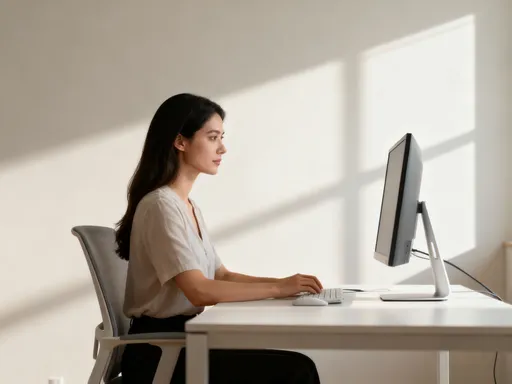
Modern lifestyles often involve long hours of inactivity, especially for women managing household responsibilities or working from home. Extended periods of sitting can reduce circulation, particularly in the upper body and head. Over time, this stagnation may contribute to lackluster hair and increased shedding. Research in dermatology and physiology supports the idea that sedentary behavior impacts microcirculation—the tiny blood vessels that nourish tissues, including those in the scalp. While topical treatments can cleanse and condition the surface, they cannot fully compensate for internal imbalances. Movement, on the other hand, addresses the root cause by enhancing the body’s natural delivery system. It’s not about intense workouts or drastic changes. Even gentle, consistent motions—like neck rolls, shoulder stretches, or a short walk—can activate circulation and create a more favorable environment for hair growth.
The concept that exercise benefits hair may be overlooked, but it’s grounded in biology. Think of hair follicles as small ecosystems that thrive on balance. They respond to hormonal signals, nutrient availability, and inflammatory markers—all of which are influenced by physical activity. Regular movement helps regulate cortisol, the stress hormone linked to hair thinning. It also supports insulin sensitivity and reduces systemic inflammation, both of which are tied to healthier hair cycles. When you move your body, you’re not just strengthening muscles or improving heart health—you’re also sending supportive signals to every cell, including those responsible for hair production. This holistic perspective shifts the focus from external fixes to internal wellness, positioning movement as a foundational pillar of sustainable hair care.
Why Traditional Hair Care Isn’t Enough
For decades, the beauty industry has emphasized external solutions: shampoos, conditioners, serums, and treatments promising thicker, longer, or shinier hair. While these products can improve texture and manageability, they often fail to address the underlying causes of hair concerns. Many women invest in high-end hair care regimens only to see limited results, not realizing that the issue may lie beneath the surface. Hair is a reflection of internal health. Factors such as hormonal fluctuations, nutritional deficiencies, chronic stress, and poor circulation play a far greater role in hair vitality than most realize. No shampoo, no matter how premium, can deliver nutrients to the follicle if blood flow is restricted or if the body is under constant stress.
Topical treatments are limited in their ability to penetrate deeply into the scalp. Most active ingredients remain on the surface, providing temporary improvements in appearance but not altering the biological processes that govern hair growth. For example, a serum may coat the hair shaft to reduce frizz, but it cannot stimulate dormant follicles or correct hormonal imbalances that lead to shedding. This is why many women experience cycles of improvement followed by relapse—especially during times of life transition, such as post-pregnancy, perimenopause, or periods of high emotional strain. Without addressing internal factors, even the most diligent hair care routines may fall short.
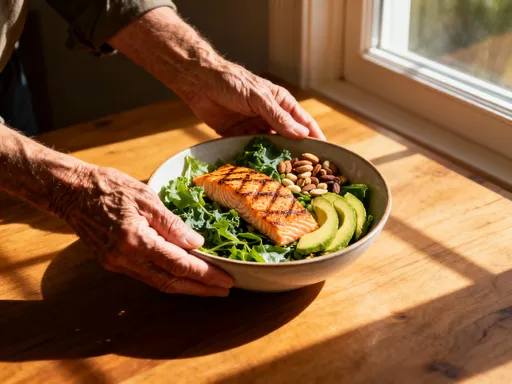
A more effective approach integrates external care with internal support. Movement is one of the most accessible ways to influence internal conditions. Physical activity helps regulate the endocrine system, which controls hormone production. It also enhances digestion and nutrient absorption, ensuring that vitamins like biotin, iron, and vitamin D—essential for hair health—are properly utilized. Additionally, exercise promotes lymphatic drainage, a process that removes toxins and reduces scalp inflammation. When combined with a balanced diet and adequate hydration, movement creates a synergistic effect that supports hair from the inside out. The shift from a purely cosmetic mindset to a holistic one allows women to take control of their hair health in a more meaningful and lasting way.
Scalp Circulation: The Foundation of Strong Hair
Blood flow to the scalp is one of the most critical yet overlooked aspects of hair wellness. Every strand of hair grows from a follicle fed by tiny blood vessels. These vessels deliver oxygen, amino acids, and essential nutrients like iron and zinc—building blocks necessary for keratin production and healthy growth cycles. When circulation is sluggish, the follicles receive less nourishment, which can lead to weakened hair, slower growth, and increased shedding. Fortunately, this process can be improved through simple, daily practices that require no special equipment or time commitment.
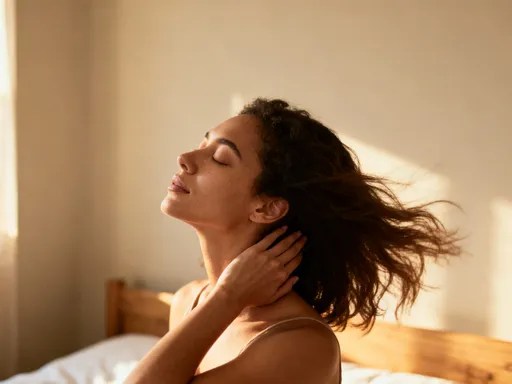
One of the most effective techniques is a gentle scalp massage combined with neck and shoulder stretches. Using the fingertips—not the nails—apply light, circular pressure across the scalp for 3 to 5 minutes. This motion stimulates the blood vessels beneath the skin, encouraging fresh circulation. Pairing this with slow neck rolls or shoulder shrugs enhances the effect by releasing tension in the upper body, where stress often accumulates. Many women report a mild warming sensation or tingling during the massage, a sign of increased blood flow. Performing this practice in the morning or before bed can become a soothing ritual, especially when paired with deep breathing.
Consistency is key. While a single session may offer temporary relief, regular stimulation over weeks can lead to noticeable improvements in hair texture and resilience. Dermatologists often recommend such techniques as complementary support for individuals experiencing thinning or slow growth. The beauty of this approach lies in its simplicity and safety. Unlike chemical treatments or invasive procedures, scalp massage carries no risk of side effects and can be easily customized to fit individual comfort levels. For those with sensitive scalps, using a small amount of natural oil—such as coconut or jojoba—can reduce friction and add moisturizing benefits. Over time, this practice not only supports hair health but also promotes relaxation, making it a valuable addition to any self-care routine.
Stress Reduction Through Movement: Calm Mind, Healthier Hair
Chronic stress is one of the leading contributors to hair shedding and disrupted growth cycles. When the body is under constant stress, it produces elevated levels of cortisol, a hormone that, in excess, can interfere with the normal hair growth phase. This condition, known as telogen effluvium, causes more hairs than usual to enter the resting phase and fall out weeks or months later. Many women notice increased shedding after periods of emotional strain, illness, or major life changes. While stress is an inevitable part of life, how we manage it can make a significant difference in our physical health—including our hair.
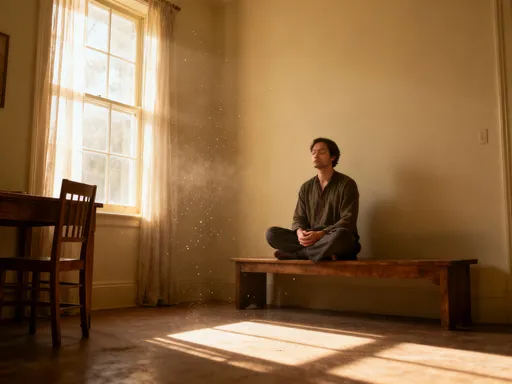
Movement offers a powerful tool for stress regulation. Physical activity helps lower cortisol levels and increases the production of endorphins, the body’s natural mood enhancers. Even gentle practices like diaphragmatic breathing, seated stretches, or mindful walking can activate the parasympathetic nervous system—the “rest and digest” mode that counteracts stress. One simple yet effective routine involves combining deep belly breathing with slow shoulder rolls. Sitting comfortably, inhale deeply through the nose, allowing the abdomen to rise, then exhale slowly through the mouth. As you breathe, gently roll the shoulders forward and backward in a smooth motion. This combination calms the mind while releasing physical tension in the neck and upper back—areas closely linked to scalp circulation.
What makes this approach especially valuable is its accessibility. Women with busy schedules, chronic fatigue, or physical limitations can still benefit from short, low-effort sessions. Just five minutes a day can begin to shift the body’s stress response. Over time, consistent practice helps build resilience, reducing the likelihood of stress-related hair shedding. Additionally, these mindful movements create moments of pause in a hectic day, fostering emotional balance and self-awareness. When the mind is calmer, the body functions more efficiently—including the systems that support hair growth. By integrating stress-reducing movement into daily life, women can protect their hair from one of its most common internal threats.
Full-Body Exercises That Support Hair Growth
While scalp-specific techniques are beneficial, full-body movement amplifies their effects by enhancing overall circulation and metabolic health. Activities that engage large muscle groups—such as brisk walking, yoga, or resistance band exercises—promote cardiovascular fitness, which directly supports blood flow to all areas of the body, including the scalp. Even moderate-intensity exercise increases heart rate and oxygen delivery, creating a more nourishing environment for hair follicles. The goal isn’t to achieve athletic performance but to maintain consistent, sustainable movement that aligns with individual energy levels and lifestyle.
Brisk walking is one of the most effective and accessible forms of exercise for women over 30. A 20- to 30-minute walk at a steady pace can improve circulation, reduce stress, and support hormonal balance. Unlike high-impact workouts, walking is gentle on the joints and can be easily incorporated into daily routines—whether around the neighborhood, in a park, or even indoors on a treadmill. Yoga is another excellent option, particularly styles that emphasize flow and breath, such as Hatha or gentle Vinyasa. These practices combine stretching, strength, and mindfulness, promoting both physical and emotional well-being. Poses like downward dog, child’s pose, and forward bends gently invert the body, encouraging blood flow to the head and scalp.
Resistance band exercises offer a low-impact way to build strength and stimulate circulation without heavy weights or gym equipment. Simple movements like seated rows, overhead presses, or banded squats activate major muscle groups, increasing blood flow throughout the body. Performing these exercises for 10 to 15 minutes a few times a week can yield noticeable benefits over time. The key to success lies in consistency rather than intensity. Women who integrate these activities into their routines often report not only improvements in hair texture and growth but also increased energy, better sleep, and enhanced mood. These secondary benefits reinforce the motivation to continue, creating a positive feedback loop that supports long-term health.
Daily Routines That Combine Hair-Friendly Habits
Transforming hair health doesn’t require drastic overhauls. Instead, small, repeatable actions woven into daily life can create lasting change. A structured yet flexible routine helps women integrate movement, hydration, and self-care without feeling overwhelmed. For example, a morning sequence might begin with a glass of water to support hydration, followed by 3 minutes of scalp massage and neck stretches. This can be paired with deep breathing while waiting for coffee or preparing breakfast. These few minutes set a calm, intentional tone for the day while stimulating circulation to the scalp.
Throughout the day, especially for those with sedentary lifestyles, short movement breaks are essential. Setting a reminder to stand, stretch, or take a brief walk every hour helps counteract the effects of prolonged sitting. Simple actions—like rolling the shoulders, rotating the neck, or walking to a distant water cooler—keep blood flowing and reduce muscle stiffness. Posture awareness also plays a role. Slouching can compress blood vessels in the neck and upper back, limiting circulation to the head. Sitting or standing with the shoulders relaxed and the spine aligned supports better blood flow and reduces tension.
In the evening, a wind-down routine can include gentle yoga stretches, a warm shower, and another round of scalp massage. This not only supports hair health but also signals the body to relax, improving sleep quality—an essential factor in hormone regulation and tissue repair. Hydration should continue throughout the day, with water intake adjusted to individual needs. Avoiding excessive caffeine and alcohol, which can dehydrate the body and impact nutrient absorption, further supports overall wellness. When these habits are practiced consistently, they create a supportive internal environment where hair can thrive.
Realistic Expectations and Long-Term Commitment
It’s important to approach hair health with patience and realistic expectations. Unlike quick-fix products that promise instant results, movement-based improvements take time. Hair grows at an average rate of about half an inch per month, and changes in texture, shine, or thickness may take several weeks to become noticeable. The benefits are gradual but meaningful: stronger strands, reduced breakage, and a healthier scalp. The goal is not perfection but progress—building a lifestyle that supports long-term vitality rather than chasing temporary transformations.
Sustainability is more important than intensity. Pushing too hard or adopting overly ambitious routines can lead to burnout or injury, especially for women new to regular movement. Starting with just 5 to 10 minutes a day and gradually increasing duration and variety is a more effective strategy. Listening to the body’s signals—resting when tired, modifying movements when needed—ensures that the practice remains supportive rather than stressful. Over time, these small efforts compound, leading to improvements that extend beyond hair to overall energy, mood, and physical resilience.
While lifestyle changes can make a significant difference, they are not a substitute for medical evaluation when hair changes are sudden, severe, or accompanied by other symptoms. Conditions such as thyroid imbalances, iron deficiency, or hormonal disorders require professional diagnosis and treatment. Women experiencing excessive shedding, patchy hair loss, or scalp irritation should consult a healthcare provider to rule out underlying health issues. Movement and self-care are powerful tools, but they work best as part of a comprehensive approach that includes medical guidance when needed.
In the end, the journey to healthier hair is not about vanity—it’s about honoring the body’s need for balance, movement, and care. By recognizing the connection between physical activity and hair vitality, women can make informed choices that support both appearance and well-being. This isn’t a trend or a temporary fix. It’s a lasting commitment to self-respect, where every small movement becomes an act of nurturing—both from the outside in, and the inside out.