What I Learned About Managing Depression Through Real Food
Depression doesn’t just live in your mind—it affects your body, energy, and even your appetite. For years, I struggled with low mood and fatigue, trying everything from therapy to exercise. Then I started paying attention to how food shaped my mental state. Not through extreme diets or supplements, but by making simple, science-backed dietary changes. What I discovered wasn’t a cure, but a powerful tool for stability. This is what actually helped me feel more like myself again.
Understanding the Link Between Diet and Mood
For a long time, mental health was seen as separate from physical health, but science now shows they are deeply connected. The food you eat doesn’t just fuel your body—it directly influences your brain chemistry, which in turn affects your mood, focus, and emotional resilience. Neurotransmitters like serotonin and dopamine, often called the brain’s “feel-good” chemicals, are largely produced in response to the nutrients you consume. In fact, about 90% of the body’s serotonin is made in the gut, highlighting the crucial role of digestion and diet in emotional well-being.
Inflammation is another key player. Chronic, low-grade inflammation has been linked to depression in numerous studies. Diets high in refined sugars, processed oils, and ultra-processed foods can increase inflammatory markers in the body, which may disrupt brain function over time. At the same time, blood sugar fluctuations—common when eating sugary or refined carbohydrate-rich meals—can lead to energy crashes, irritability, and mood swings. These aren’t just minor inconveniences; they can deepen feelings of anxiety and sadness in vulnerable individuals.
Gut health also plays a foundational role. The gut microbiome, made up of trillions of bacteria, communicates with the brain through what’s known as the gut-brain axis. A balanced microbiome supports healthy neurotransmitter production and reduces inflammation, while an imbalanced one—often caused by poor diet—can contribute to mental health challenges. When the gut is under stress, so is the mind. This is why many people notice changes in their mood when they eat certain foods, even if they don’t fully understand why.
Common dietary patterns in modern life often work against mental stability. The standard Western diet, rich in fast food, packaged snacks, and sugary beverages, lacks the essential nutrients the brain needs to function well. These foods are designed for convenience and taste, not nourishment. Over time, a reliance on processed foods can leave the brain undernourished, even if the body appears to be getting enough calories. This state, sometimes called “hidden hunger,” means that while you may feel full, your brain is missing the building blocks it needs to regulate mood effectively.
The Problem with Quick Fixes and Why Food Is Different
When dealing with depression, it’s natural to want fast relief. Many turn to supplements, detox teas, or trendy diets promising quick results. While some supplements can be helpful under medical supervision, they are not a standalone solution. The appeal of a quick fix is understandable—depression saps energy and motivation, making long-term changes feel overwhelming. But most shortcuts fail to deliver lasting change because they don’t address the root causes of mental fatigue and low mood.
Fad diets often eliminate entire food groups without scientific backing, which can lead to nutrient deficiencies and further destabilize mood. For example, cutting out carbohydrates completely may reduce serotonin production, since carbs help tryptophan—an amino acid—cross into the brain to become serotonin. Similarly, extreme cleanses or juice fasts may cause blood sugar imbalances that worsen irritability and mental fog. These approaches may offer a brief sense of control, but they rarely support sustainable mental well-being.
Food, on the other hand, is different because it’s a daily, consistent input. Unlike a supplement you take once a day, every meal is an opportunity to nourish your brain. Real food provides a complex matrix of nutrients that work together synergistically—something no pill can fully replicate. For instance, the fiber, antioxidants, and healthy fats in whole foods support both gut health and brain function in ways isolated nutrients cannot. This holistic impact makes dietary change a more reliable and natural form of support.
It’s important to emphasize that food is not a replacement for professional care. Therapy, medication, and lifestyle changes like sleep and movement are all vital components of managing depression. But nutrition is a complementary tool—one that empowers individuals to take an active role in their healing. When used alongside other treatments, a brain-supportive diet can enhance their effectiveness, helping to stabilize mood, improve energy, and reduce mental fatigue over time. The goal isn’t perfection, but progress through consistent, informed choices.
Key Nutrients That Support Mental Resilience
Certain nutrients play outsized roles in brain health, acting like essential tools in the brain’s daily maintenance. Omega-3 fatty acids, particularly EPA and DHA, are among the most well-researched. These fats are major components of brain cell membranes and help reduce inflammation. Think of them as the brain’s natural anti-inflammatory crew, smoothing communication between neurons and supporting emotional balance. Studies have shown that people with lower levels of omega-3s are more likely to experience symptoms of depression, and increasing intake—especially from food sources—can improve mood over time.
B vitamins, especially B6, B9 (folate), and B12, are crucial for energy production and neurotransmitter synthesis. They help convert amino acids into serotonin, dopamine, and norepinephrine—chemicals that regulate mood, motivation, and focus. A deficiency in any of these can lead to fatigue, brain fog, and low mood. For example, low folate levels have been linked to poor response to antidepressant medications, highlighting how deeply nutrition and mental health are intertwined. These vitamins are often called the brain’s “spark plugs” because they help keep the mental engine running smoothly.
Magnesium is another key player, involved in over 300 biochemical reactions in the body, including those that regulate stress and sleep. It helps calm the nervous system and supports healthy brain plasticity—the brain’s ability to adapt and rewire. Many people don’t get enough magnesium due to soil depletion and processed diets, and deficiency can contribute to anxiety, restlessness, and insomnia. Imagine magnesium as the brain’s natural relaxant, helping to quiet mental noise and support restful sleep.
Zinc is essential for immune function and brain signaling. It plays a role in the regulation of the stress response and has been found in lower levels in people with depression. Antioxidants, particularly those found in colorful fruits and vegetables, protect brain cells from oxidative stress—a type of cellular damage linked to aging and mental decline. Together, these nutrients form a protective network, shielding the brain from daily wear and tear. While supplements can help in cases of deficiency, the best way to get these nutrients is through a varied, whole-food diet that delivers them in their most natural and effective forms.
Foods That Work—And Why They Matter
The best way to support mental health through diet is to focus on whole, nutrient-dense foods. Fatty fish like salmon, mackerel, and sardines are rich in omega-3 fatty acids, making them powerful allies for brain health. Eating just two servings per week can make a meaningful difference in mood regulation. For those who don’t eat fish, plant-based sources like walnuts, chia seeds, and flaxseeds provide ALA, a precursor to EPA and DHA, though conversion in the body is limited.
Leafy greens such as spinach, kale, and Swiss chard are excellent sources of folate, magnesium, and antioxidants. They also contain fiber, which feeds beneficial gut bacteria and supports the gut-brain connection. Nuts and seeds—especially almonds, pumpkin seeds, and sunflower seeds—deliver healthy fats, protein, and key minerals like zinc and magnesium. A small handful a day can help stabilize blood sugar and provide sustained energy, reducing the risk of afternoon crashes that worsen mood.
Legumes like lentils, chickpeas, and black beans are rich in fiber, protein, and B vitamins. They help maintain steady blood sugar levels and support a diverse gut microbiome. Fermented foods such as yogurt, kefir, sauerkraut, and kimchi contain live probiotics that enhance gut health and may positively influence mood. These foods don’t just nourish the body—they help create an internal environment where mental well-being can thrive.
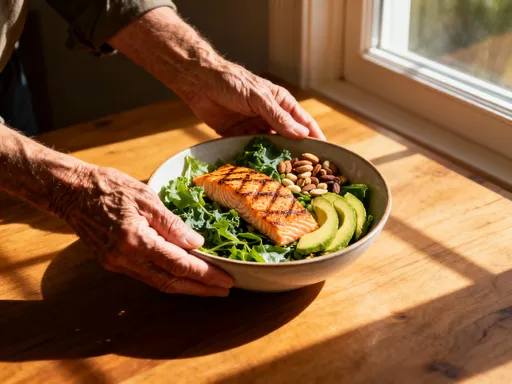
Combining these foods thoughtfully increases their benefits. For example, pairing vitamin C-rich foods like bell peppers or citrus with plant-based iron sources like lentils enhances iron absorption, which is important for energy and cognitive function. Similarly, consuming healthy fats with fat-soluble vitamins (A, D, E, K) from vegetables improves their uptake. A simple salad with olive oil dressing, spinach, tomatoes, and grilled salmon isn’t just delicious—it’s a brain-boosting meal designed by nature.
Realistic meal examples can make this approach feel achievable. A breakfast of oatmeal topped with walnuts, blueberries, and a spoonful of ground flaxseed provides fiber, antioxidants, and omega-3s. Lunch might be a quinoa bowl with roasted vegetables, chickpeas, and a tahini-lemon dressing. Dinner could include baked salmon, steamed broccoli, and sweet potato. These meals are not about restriction, but about inclusion—adding more of what supports mental clarity and emotional balance.
Smart Dietary Combinations for Better Impact
To get the most out of your food, it helps to understand how nutrients interact. Certain combinations enhance absorption and effectiveness, creating a synergy that isolated nutrients can’t match. For instance, vitamin C dramatically improves the absorption of non-heme iron—the type found in plant foods. This means adding a squeeze of lemon to a lentil stew or having an orange with a spinach salad can make a real difference in preventing fatigue and supporting mental energy.
Healthy fats are equally important for nutrient uptake. Fat-soluble vitamins—A, D, E, and K—need dietary fat to be absorbed properly. Without it, even a salad full of nutrient-rich greens may not deliver its full benefits. Drizzling olive oil on vegetables, adding avocado to a grain bowl, or cooking eggs with a little butter ensures these vitamins are utilized by the body. This is especially important for brain health, as vitamins like E and K play protective roles in cognitive function.
Timing and balance throughout the day also matter. Eating regular meals with a mix of protein, fiber, and healthy fats helps maintain stable blood sugar, which supports steady energy and mood. Skipping meals or relying on sugary snacks can lead to spikes and crashes that mimic or worsen anxiety and irritability. A balanced breakfast, for example, sets the tone for the day. Including protein (like eggs or Greek yogurt), complex carbs (like oats or whole grain toast), and a source of healthy fat (like nut butter or avocado) provides sustained fuel for the brain.
A sample daily eating pattern might include: a morning smoothie with spinach, banana, chia seeds, and almond butter; a midday salad with grilled chicken, mixed greens, beets, and a vinaigrette; and a dinner of baked trout, quinoa, and roasted Brussels sprouts. Snacks could include Greek yogurt with berries, a handful of almonds, or apple slices with peanut butter. This approach isn’t about rigid rules, but about creating a rhythm of nourishment that supports mental resilience. The goal is consistency, not perfection—small, repeated choices that add up over time.
Making Changes That Stick—Without Overwhelm
One of the biggest challenges in making dietary changes—especially when dealing with depression—is the lack of energy and motivation. Depression doesn’t just affect mood; it can make even simple tasks feel exhausting. The idea of overhauling your entire diet can feel impossible. That’s why small, manageable steps are more effective than drastic overhauls. Starting with one meal a day, like improving breakfast, can create a ripple effect that builds confidence and momentum.
Simple swaps can make a big difference. Choosing whole grain bread instead of white, adding a side of vegetables to dinner, or replacing sugary snacks with fruit and nuts are small changes that don’t require major effort. Batch cooking on weekends—preparing a pot of soup, roasting a tray of vegetables, or cooking a batch of quinoa—can make weekday meals easier and reduce decision fatigue. Having healthy options readily available removes barriers and supports better choices, even on low-energy days.
It’s also important to practice self-compassion. No one eats perfectly all the time, and setbacks are part of the process. Instead of aiming for flawless eating, focus on progress. If you have a day filled with convenience foods, that’s okay. The next meal is a new opportunity. Celebrate small wins, like choosing a piece of fruit over a cookie or drinking water instead of soda. These moments build a sense of agency and control, which can be empowering when depression makes you feel helpless.
Support systems also help. Cooking with a family member, sharing meals with loved ones, or joining a community garden can make healthy eating feel less isolating. Food is not just fuel—it’s connection, comfort, and care. When you prepare a nourishing meal, you’re sending a message to yourself that you matter. Over time, these acts of self-care can strengthen emotional resilience and create a positive feedback loop between body and mind.
When to Seek Help and How Food Fits In
While diet can be a powerful support, it is not a substitute for professional mental health care. Depression is a complex condition influenced by biological, psychological, and social factors. If you’re struggling with persistent low mood, loss of interest, or feelings of hopelessness, it’s important to speak with a healthcare provider. Therapy, counseling, and, when appropriate, medication are evidence-based treatments that can make a life-changing difference.
Nutrition can enhance these treatments by creating a stronger foundation for mental health. A registered dietitian or nutritionist with experience in mental health can help tailor dietary changes to your individual needs, especially if you have other health conditions like diabetes, digestive issues, or food sensitivities. They can also help identify potential deficiencies and recommend appropriate testing if needed.
The message isn’t that food will cure depression, but that it can be a meaningful part of managing it. Small, consistent changes—like eating more vegetables, choosing whole grains, or adding fatty fish to your diet—can lead to gradual improvements in energy, focus, and mood. These changes may seem minor, but over time, they build a lifestyle that supports mental well-being. Healing is not linear, and progress often comes in small steps.
What I’ve learned is that taking care of my body is a form of honoring my mind. Food is not a magic solution, but it is a daily act of care—one that reminds me I’m worth nourishing. For anyone walking a similar path, know that you’re not alone. With the right support and small, sustainable choices, it is possible to feel more like yourself again. Hope isn’t found in perfection, but in the quiet, consistent effort to show up for yourself, one meal at a time.