How I Finally Took Control of My Weight — A Real Talk on Living Better
Obesity isn’t just about looks — it’s a daily struggle with energy, confidence, and health. I know because I’ve been there. After years of quick fixes failing, I focused on small, lasting changes. This isn’t a miracle story, but a real one. Here’s what actually worked when I committed to a healthier lifestyle — no hype, just honesty. It started not with a dramatic decision, but with a quiet realization: I was tired of feeling tired. Tired of avoiding mirrors, skipping photos, and dreading the stairs. My body wasn’t failing me — my habits were. And once I understood that, real change became possible. This is not a weight loss manifesto. It’s a story of reclaiming well-being, one mindful choice at a time.
The Wake-Up Call: When Health Stops Being Abstract
For years, I treated my health like a distant concern — something to fix later, after the holidays, after the busy season, after life slowed down. But life rarely slows down. The turning point came during a routine check-up. My doctor didn’t raise her voice, but her words landed heavily: blood pressure was creeping up, cholesterol levels were outside the healthy range, and my body mass index placed me firmly in the obese category. She didn’t scold me. She simply said, “These numbers aren’t just statistics. They’re signals.” That moment pierced through the denial I’d carried for years. This wasn’t about fitting into a dress anymore — it was about avoiding future complications like type 2 diabetes, heart disease, and joint problems that could limit my ability to care for my family and enjoy everyday moments.
The emotional weight was just as heavy as the physical one. I felt shame, not because anyone criticized me, but because I had let myself down. I cycled through diets — low-carb, juice cleanses, meal replacements — each promising fast results. I’d lose a few pounds, feel briefly triumphant, then regain it all within months. The pattern repeated: restriction, exhaustion, rebellion, guilt. I wasn’t lazy, and I wasn’t undisciplined. I was misinformed. Each failed attempt chipped away at my self-esteem, reinforcing the false belief that I lacked willpower. What I didn’t realize then was that willpower alone cannot sustain long-term change. Diets that demand extreme sacrifice are designed to fail because they ignore sustainability, emotional needs, and the complexity of human behavior.
What those short-term diets taught me, ironically, was the foundation of lasting success: real change isn’t dramatic — it’s consistent. It doesn’t require perfection; it requires persistence. I began to see my body not as an enemy to be punished, but as an ally to be respected. The wake-up call wasn’t just about the doctor’s report. It was about recognizing that my health was no longer someone else’s advice — it was my responsibility. And with that shift in mindset, I stopped looking for a quick fix and started building a life where healthy choices felt natural, not forced.
Rethinking Obesity: It’s Not Just Willpower
One of the most damaging myths about obesity is that it’s simply a failure of self-control. This belief overlooks decades of scientific research showing that weight regulation is influenced by a complex network of biological, environmental, and psychological factors. Metabolism, for instance, isn’t just about how fast you burn calories — it’s shaped by genetics, age, muscle mass, and even past dieting behavior. When someone repeatedly restricts calories, the body can adapt by slowing metabolism to conserve energy, making future weight loss more difficult. Hormones like leptin and ghrelin play crucial roles in appetite regulation. Leptin signals fullness, but in people with excess body fat, the brain may become resistant to its message, leading to persistent hunger despite adequate energy stores.
Then there’s insulin, the hormone that manages blood sugar. A diet high in refined carbohydrates and sugars can lead to insulin resistance, a condition where cells don’t respond well to insulin, increasing fat storage and making weight loss harder. These biological mechanisms aren’t flaws — they’re survival tools evolved over millennia. In times of scarcity, storing fat was essential. Today, in an environment of constant abundance, those same mechanisms work against us. Understanding this helped me stop blaming myself. My body wasn’t broken; it was responding exactly as it was designed to in a world full of processed foods, oversized portions, and sedentary routines.
The phrase “eat less, move more” sounds simple, but it ignores the reality of modern living. Most jobs require sitting for eight or more hours a day. Food marketing pushes high-calorie, low-nutrient options at every turn. Stress, poor sleep, and emotional exhaustion deplete the mental resources needed to make healthy choices. Our environment is, in many ways, engineered to promote weight gain. Recognizing this didn’t give me an excuse to stay stuck — it gave me compassion. And with compassion came clarity. Instead of fighting my biology, I began working with it. I stopped seeing weight management as a moral test and started viewing it as a practical challenge — one that required strategy, patience, and self-awareness.
Food Without Fear: Building a Sustainable Eating Pattern
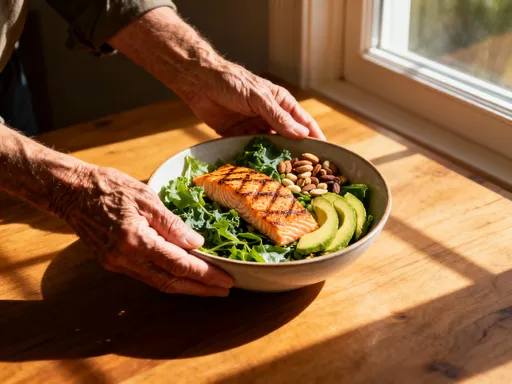
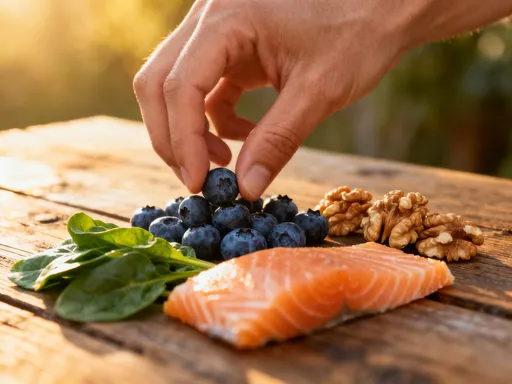
My relationship with food had always been turbulent. I’d oscillate between strict control and complete surrender. The turning point came when I realized that restriction breeds obsession. Telling myself “I can never eat cake again” only made me crave it more. The solution wasn’t more rules — it was balance. I shifted my focus from eliminating foods to improving the overall quality of my diet. I began incorporating more whole, minimally processed foods: vegetables, fruits, lean proteins, whole grains, and healthy fats. These foods not only provided better nutrition but also increased satiety, reducing the urge to snack mindlessly.
Portion awareness became a quiet practice, not a punishment. I learned to use smaller plates, serve meals in the kitchen instead of eating from packages, and pause halfway through eating to check in with my hunger levels. Mindful eating transformed my experience at the table. Instead of rushing through meals while distracted by screens, I began sitting down, chewing slowly, and savoring flavors. This simple shift helped me recognize when I was full — a signal I’d ignored for years. I also started paying attention to hunger cues. Was I truly hungry, or was I eating out of boredom, stress, or habit? Identifying emotional triggers allowed me to respond with alternatives — a short walk, a cup of herbal tea, a few minutes of deep breathing — instead of reaching for food.
Practical changes made a big difference. I swapped sugary snacks for options like Greek yogurt with berries, apple slices with almond butter, or a handful of nuts. I began cooking more at home, where I had control over ingredients. Grocery shopping shifted from impulsive to intentional — I started making lists based on planned meals and stuck to the store’s perimeter, where fresh foods are typically located. I allowed myself occasional treats without guilt. Deprivation had never worked; permission did. When I could enjoy a small piece of dark chocolate or a slice of birthday cake without spiraling, food lost its power over me. This wasn’t about perfection — it was about progress and peace.
Movement That Fits: Exercise Without the Gym Obsession
For years, I associated exercise with grueling workouts, sweat-drenched clothes, and aching muscles. I imagined needing hours at the gym to make a difference. That mindset kept me from starting. The breakthrough came when I redefined what movement could be. I began with something simple: walking. Ten minutes a day turned into twenty, then thirty. I parked farther from store entrances, took the stairs, and walked during phone calls. These small actions added up, increasing my daily step count without feeling like a chore. Non-exercise activity thermogenesis (NEAT) — the energy burned through everyday movement — became a quiet ally in my journey.
I discovered that consistency mattered far more than intensity. Showing up for a 20-minute walk, even on tired days, built momentum. I experimented with different forms of movement until I found what I genuinely enjoyed. Dancing in the kitchen while dinner cooked, stretching in the morning sunlight, following short home workout videos — these became part of my routine not because they burned the most calories, but because I looked forward to them. Joy is a powerful motivator. When exercise feels like a gift rather than a punishment, it becomes sustainable. I stopped chasing burnout and started honoring my energy levels. Some days called for brisk walking; others were better suited for gentle yoga. Listening to my body built trust and prevented burnout.
Over time, movement became less about weight loss and more about how it made me feel. I noticed improved circulation, better posture, and a calmer mind. My stamina increased — I could play with my grandchildren without getting winded, carry groceries more easily, and sleep more soundly. These tangible benefits reinforced my commitment far more than any number on the scale. I no longer measured success by how hard I pushed myself, but by how consistently I moved my body with kindness and respect. Exercise wasn’t a tool for punishment — it was an act of self-care.
Sleep, Stress, and Hidden Triggers
One of the most surprising discoveries in my journey was the profound impact of sleep on weight management. For years, I wore sleep deprivation like a badge of productivity. I’d stay up late finishing chores, only to wake up exhausted and reach for coffee and sugary snacks to stay alert. What I didn’t know was that poor sleep disrupts the balance of hunger hormones. Lack of sleep increases ghrelin (the hunger hormone) and decreases leptin (the fullness hormone), leading to increased appetite, especially for high-calorie, carbohydrate-rich foods. It also impairs decision-making and weakens willpower, making healthy choices harder.
Once I prioritized sleep — aiming for seven to eight hours nightly — I noticed a shift. My cravings decreased, my energy stabilized, and my mood improved. I established a bedtime routine: turning off screens an hour before bed, dimming the lights, and reading or journaling. These small habits signaled to my body that it was time to wind down. Better sleep didn’t just help with weight — it improved every area of my life.
Stress was another silent contributor. Chronic stress elevates cortisol, a hormone that promotes fat storage, particularly around the abdomen. It also triggers emotional eating as a coping mechanism. I began to recognize my stress patterns: reaching for cookies when overwhelmed, eating out of boredom during quiet evenings, or using food to soothe loneliness. Instead of fighting these impulses, I addressed their root causes. I practiced deep breathing, scheduled short breaks during the day, and set boundaries to protect my time and energy. I learned to say no without guilt. I also found comfort in non-food activities: gardening, listening to music, calling a friend, or taking a warm bath. Managing stress didn’t eliminate challenges, but it changed how I responded to them — with awareness instead of automatic reactions.
Building a Supportive Environment
Change is easier when your surroundings support it. I began by making small adjustments at home. I cleared out the pantry of highly processed snacks and replaced them with healthier options — nuts, seeds, fruit, and whole-grain crackers. I kept cut vegetables at eye level in the fridge, making them the first thing I saw when hungry. These visual cues made healthy choices the default, not the effort. I also removed emotional triggers, like keeping a candy bowl on the counter or buying bulk snacks “just in case.” Out of sight didn’t mean out of mind — it meant out of reach, which gave me space to make intentional decisions.
Navigating social situations required tact and self-compassion. Family gatherings often centered around food, and well-meaning relatives would offer seconds or comment on my plate. Instead of isolating myself, I communicated my goals gently. I brought a healthy dish to share, ate a small portion of favorites without guilt, and focused on connection rather than consumption. I learned to smile and say, “I’m full, but this tastes wonderful,” without over-explaining. Most people respected my choices when I modeled them with confidence and kindness.
Technology, when used wisely, became a helpful tool. I used a simple tracking app to log meals and steps, not to obsess, but to stay aware. Reminders helped me drink water, take walks, or pause for breath. I joined an online community of people focused on sustainable health, where encouragement and shared experiences replaced competition and comparison. These digital connections provided support without judgment. The key was balance — using tech as a guide, not a judge.
Progress Over Perfection: Staying the Course
The most liberating shift in my journey was learning to celebrate non-scale victories. Weight loss happened, but slowly. More immediate were the improvements in how I felt: I had more energy, my clothes fit better, I slept deeply, and my skin cleared up. I could walk up a flight of stairs without pausing. These wins mattered more than any number on the scale. They reminded me that health isn’t just about appearance — it’s about function, vitality, and quality of life.
Setbacks were inevitable. Holidays, travel, and stressful periods sometimes disrupted my routine. Old habits crept back. But instead of falling into guilt, I practiced self-compassion. I reminded myself that one meal, one day, or even one week didn’t erase progress. I simply returned to my habits without self-criticism. Guilt kept me stuck; kindness kept me moving. Over time, the healthy choices I once struggled with became automatic — drinking water first thing in the morning, choosing a walk after dinner, pausing before eating. These small habits layered into a new normal, not a temporary fix.
I often think about how much earlier I could have started. But regret isn’t helpful. What matters is that I began — and that I continue. This journey isn’t about reaching a destination and stopping. It’s about building a life where health is woven into the fabric of everyday choices. I didn’t transform overnight. I evolved, one decision at a time. And now, years later, I feel stronger, clearer, and more in control than I ever thought possible. My body isn’t perfect, but it’s resilient. My health isn’t flawless, but it’s improving. And that’s enough.
Managing weight isn’t about chasing a number — it’s about reclaiming your life. Through gradual, science-backed changes, I didn’t just lose weight; I gained control, clarity, and confidence. This journey isn’t over, but now I walk it with purpose. Your health is worth the effort — not tomorrow, but today. Always consult a healthcare professional before making major lifestyle changes; this path works best with personalized guidance.