What I Learned About My Body After 10 Years of Menopause
Menopause isn’t an event—it’s a phase that reshapes your body and life in slow motion. For years, I struggled with changes I didn’t understand, from sleepless nights to unexplained weight shifts. Over time, I learned that long-term body care isn’t about quick fixes but consistent, gentle choices. This is what worked for me—not as a cure, but as a way to feel more like myself again. The journey wasn’t linear, and no single solution brought instant relief. Instead, it was the accumulation of small, science-informed habits that made the difference. This is not a story of transformation through drastic change, but of resilience built through daily awareness and kindness toward a body that continues to serve, even as it evolves.
Understanding the Long-Term Shift: What Menopause Really Does to Your Body
Menopause marks the end of monthly cycles, but its influence extends far beyond the absence of menstruation. It is a biological transition defined by the ovaries’ gradual decline in producing estrogen and progesterone, hormones that influence nearly every system in the body. The average age of natural menopause is around 51, but the hormonal shifts begin years earlier, during a phase known as perimenopause, and continue to affect physical and emotional health for decades. What many women are not told is that the body’s response to these changes is not temporary—it sets a new physiological baseline that requires long-term adaptation.
The drop in estrogen has cascading effects. Metabolism slows, often leading to weight gain, particularly around the abdomen, even when diet and activity levels remain unchanged. This shift is not a failure of willpower but a biological recalibration. Muscle mass begins to decline at a faster rate after 40, and without intervention, this loss accelerates after menopause. Joint stiffness, reduced bone density, and changes in energy regulation are common. These are not signs of aging gone wrong, but natural responses to hormonal shifts that can be managed with informed care.
Equally significant are the less visible changes—such as alterations in cardiovascular health and immune function. Estrogen has a protective effect on blood vessels, and its reduction increases the risk of heart disease, the leading cause of death among women over 50. At the same time, skin becomes thinner, less elastic, and more prone to dryness due to reduced collagen production. Sleep architecture changes, making deep, restorative sleep harder to achieve. These are not isolated symptoms but interconnected changes that reflect a body adjusting to a new hormonal reality.
Understanding this long-term shift is the first step in moving from frustration to empowerment. The goal is not to reverse menopause but to support the body in its new phase. This means replacing myths—such as the idea that weight gain is inevitable or that energy loss is just part of getting older—with accurate knowledge. It means recognizing that while some changes are unavoidable, their impact can be significantly reduced through consistent, science-based choices. The body is not breaking down; it is adapting, and with the right support, it can remain strong, resilient, and capable for years to come.
Skin and Hydration: Why My Face Felt Different and What I Changed
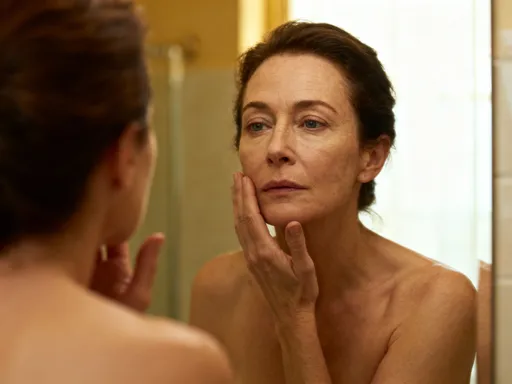
One of the most noticeable changes after menopause was how my skin felt—drier, thinner, and slower to recover from minor irritation. Where once a splash of water and a light moisturizer were enough, my face now felt tight by midday, and fine lines deepened despite good genetics and sun protection. I wasn’t imagining it: research confirms that skin thickness decreases by about 1% per year after menopause due to the sharp decline in estrogen. This hormone plays a key role in maintaining collagen, hyaluronic acid, and the skin’s natural barrier function. Without it, moisture evaporates more quickly, and the skin’s ability to repair itself diminishes.
At first, I responded by adding more products—serums, toners, overnight masks—hoping for a quick fix. But the real change came not from layering more actives, but from simplifying and focusing on hydration and protection. I switched to a gentle, non-foaming cleanser that didn’t strip natural oils. I began applying moisturizer to damp skin to lock in water, a small habit that made a visible difference within weeks. I also increased my water intake, not to extreme levels, but with intention—starting the day with a full glass and keeping a bottle nearby throughout the day.
The most effective addition was a moisturizer with ceramides and hyaluronic acid. Ceramides are lipids that help restore the skin’s barrier, reducing moisture loss and sensitivity. Hyaluronic acid, a substance naturally found in the skin, can hold up to 1,000 times its weight in water. Using a product containing both ingredients helped plump the skin and reduce the feeling of tightness. I also began using a humidifier at night, especially during winter months, which further supported hydration.
Sun protection remained non-negotiable. Daily broad-spectrum SPF 30 or higher became a permanent part of my routine, even on cloudy days. UV exposure accelerates collagen breakdown, and with already diminished reserves, protection is essential. I also learned to be patient. Skin renewal slows after menopause, so improvements took months, not days. But with consistency, my skin regained some of its resilience. The lesson was clear: long-term skin health isn’t about chasing youth, but about supporting function. When care is gentle, consistent, and informed, the skin can remain healthy, comfortable, and strong.
Movement That Supports, Not Punishes: Finding the Right Kind of Exercise
For years, I equated exercise with intensity—long runs, high-impact classes, the idea that if I wasn’t sweating heavily, I wasn’t doing enough. After menopause, that approach backfired. Joints ached, recovery took longer, and I often felt more drained than energized. It wasn’t laziness; it was my body signaling that it needed a different kind of support. I began to shift my mindset: exercise wasn’t about punishment or calorie burning, but about maintenance, strength, and longevity.
I started with walking—just 20 minutes a day. It seemed too simple, but over time, I noticed improvements in my sleep, mood, and digestion. Walking also helped manage stress, which in turn supported hormonal balance. As I built consistency, I added low-impact strength training two to three times a week. Using light weights or resistance bands, I focused on major muscle groups—legs, back, arms, and core. This was crucial because muscle mass naturally declines with age, a process that accelerates after menopause. Strength training helps slow this loss, supporting metabolism, posture, and joint stability.
Yoga became another cornerstone. Not the fast-paced, advanced styles I once attempted, but gentle, restorative practices that emphasized breath, alignment, and relaxation. I found that yoga improved my flexibility, reduced lower back discomfort, and helped me reconnect with my body in a way that felt nurturing rather than demanding. On days when energy was low, even five minutes of stretching made a difference.
The key was consistency over intensity. Research shows that regular, moderate physical activity can improve body composition, reduce visceral fat, and enhance insulin sensitivity—all of which are particularly important after menopause. It also supports bone density, reducing the risk of osteoporosis. The most powerful change was internal: I stopped viewing exercise as a way to fix my body and began seeing it as a daily act of respect. Movement became less about how I looked and more about how I felt—stronger, steadier, and more present in my own skin.
Sleep, Stress, and Hormonal Balance: The Hidden Connection
Sleep became one of the most elusive yet essential pieces of the puzzle. In the early years of menopause, I would wake at 3 a.m., heart racing, skin damp with sweat, unable to return to sleep. These night awakenings weren’t just exhausting—they affected everything. My focus slipped, my mood grew fragile, and my appetite became harder to regulate. I didn’t realize at the time that poor sleep wasn’t just a symptom of menopause; it was actively making other symptoms worse.
The connection lies in the interplay between hormones. Melatonin, the hormone that regulates sleep, is influenced by estrogen. When estrogen drops, melatonin production can become disrupted, making it harder to fall and stay asleep. At the same time, stress hormones like cortisol rise in response to sleep loss and life demands, creating a vicious cycle. High cortisol not only interferes with sleep but also promotes fat storage, particularly in the abdominal area, and can worsen mood swings and fatigue.
Breaking this cycle required more than just trying to sleep longer. I had to address the habits that were keeping me awake. I began by setting a digital curfew—an hour before bed, all screens were off. The blue light from phones and tablets suppresses melatonin, so this small change helped signal to my body that it was time to wind down. I replaced scrolling with quiet activities: reading a book, sipping herbal tea, or practicing gentle breathwork.
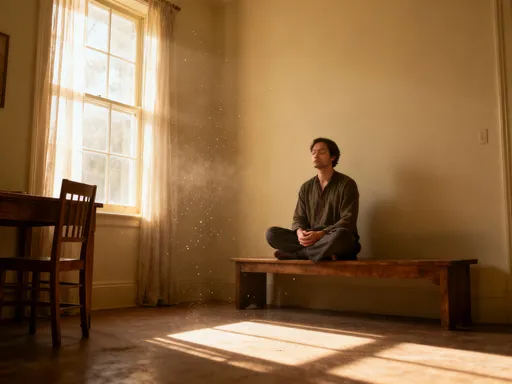
One technique that made a lasting difference was diaphragmatic breathing—inhaling slowly through the nose, allowing the belly to rise, and exhaling fully through the mouth. Practicing this for five to ten minutes before bed helped calm my nervous system and reduce nighttime anxiety. I also prioritized a consistent sleep schedule, going to bed and waking at the same time every day, even on weekends. Over time, my sleep became deeper and more restorative. The lesson was clear: sleep is not a luxury, but a foundation. When supported, it enhances every other aspect of health, from emotional resilience to metabolic function.
Nutrition Beyond Fads: Eating for Stability, Not Restriction
In the years following menopause, I experimented with various diets—low-carb, intermittent fasting, detox cleanses—each promising quick results. But the truth is, restrictive eating often led to rebound hunger, fatigue, and a sense of failure. What finally made a difference wasn’t a trendy plan, but a shift in mindset: I began eating not to shrink my body, but to stabilize it.
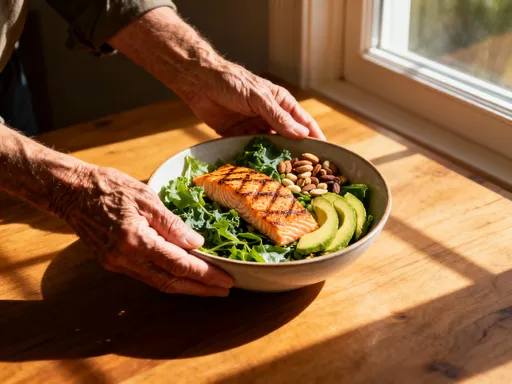
I focused on balance. Each meal now includes a source of lean protein—such as eggs, beans, fish, or chicken—along with fiber-rich vegetables and whole grains. Protein helps maintain muscle mass and keeps me feeling full longer, while fiber supports digestion and helps regulate blood sugar. I also made a point to include healthy fats—avocado, nuts, olive oil—which are essential for hormone production and brain health.
Blood sugar stability became a priority. When glucose levels spike and crash, it can trigger mood swings, fatigue, and cravings—symptoms that often mimic or worsen menopausal changes. By choosing complex carbohydrates over refined ones and eating smaller, more frequent meals, I noticed a significant improvement in my energy levels and emotional balance. I also reduced my intake of added sugar and processed foods, not through strict elimination, but through gradual, sustainable changes.
Hydration remained central. I continued to drink water throughout the day and limited caffeine, especially in the afternoon, to avoid disrupting sleep. I also paid attention to timing—eating a small, protein-rich snack before bed, such as a handful of almonds or a slice of turkey, helped prevent nighttime hunger and supported overnight muscle repair. This approach wasn’t about perfection, but about consistency. Over time, my digestion improved, my energy became steadier, and I felt more in control. Nutrition, I learned, is not a short-term fix but a daily act of self-care that shapes long-term well-being.
Body Image and Self-Compassion: Redefining Beauty After 50
The physical changes of menopause were easier to manage than the emotional ones. I grieved the body I once had—the one that bounced back quickly, that fit easily into old jeans, that didn’t require so much attention. There were moments of frustration, even shame, when I looked in the mirror and didn’t recognize myself. I realized that my relationship with my body had long been conditional: I valued it when it looked a certain way, when it performed, when it met external expectations.
Letting go of that mindset was one of the hardest but most liberating shifts. I began to practice self-compassion—not as a vague concept, but as a daily habit. When I noticed self-critical thoughts, I asked myself: Would I speak this way to a friend? I started expressing gratitude for what my body could do—walk, breathe, heal, carry me through life—rather than focusing only on how it looked. I stopped weighing myself regularly and reduced time spent in front of mirrors.
I also redefined beauty. It no longer meant tight skin or a slim figure, but vitality, strength, and presence. I noticed women in their 60s and 70s who moved with grace, who laughed easily, who seemed at peace in their skin. Their beauty wasn’t about youth, but about authenticity. I began to see my body not as a project to fix, but as a lifelong companion that had carried me through motherhood, career, loss, and joy.
This shift didn’t happen overnight. It required patience, mindfulness, and a willingness to challenge deeply held beliefs. But over time, the anxiety lessened. I dressed in clothes that felt comfortable and joyful, not just those that hid my shape. I stopped comparing myself to images in magazines or social media, recognizing that those portrayals were often unrealistic and heavily edited. Self-compassion didn’t erase the changes of aging, but it transformed my experience of them. I began to feel at home in my body again, not despite its changes, but because I had learned to accept and honor them.
Building a Sustainable Routine: Small Steps That Last for Years
The most important lesson I’ve learned is that lasting change doesn’t come from overhauls, but from consistency. There is no single magic solution, no secret pill or perfect diet. What works is a collection of small, sustainable habits that fit into real life. I don’t follow a rigid schedule, but a flexible framework that allows me to adapt based on how I feel each day.
My routine includes daily movement, balanced meals, hydration, and time for rest. I listen to my body—if I’m tired, I rest. If I’m stiff, I stretch. If I’m stressed, I breathe. I’ve also learned the importance of professional guidance. I see my healthcare provider regularly for check-ups, including bone density scans, blood pressure monitoring, and hormone assessments when appropriate. I don’t make major changes without discussing them with a trusted medical source.
I’ve also built in flexibility. Some days, my walk is shorter. Some meals are simpler. Some nights, I watch TV instead of reading. That’s okay. Progress, not perfection, is the goal. The habits that last are the ones that feel doable, not draining. I’ve stopped chasing quick results and started valuing long-term well-being.
This approach has taught me patience. The body responds slowly, but it does respond. Over the past decade, I’ve seen gradual improvements—not dramatic transformations, but a steady sense of balance and strength. I sleep better, move with more ease, and feel more connected to myself. The changes didn’t happen because I pushed harder, but because I cared more—consistently, gently, and with intention.
Menopause isn’t the end of vitality—it’s a call to deepen your relationship with your body. The most powerful changes came not from drastic measures, but from daily acts of attention and respect. When body care becomes a long-term practice rooted in patience and science, it’s possible to feel strong, balanced, and at home in your skin—years after the change.