I Tried Dance for Rehab—Here’s What No One Warns You About
Dance is often praised as a joyful way to rebuild strength after injury, but it’s not always smooth on the recovery journey. I thought moving to the rhythm would naturally heal my body—until I faced setbacks no one saw coming. Turns out, without proper guidance, even the most uplifting rehab moves can do more harm than good. This is what I learned the hard way. While dance can be a powerful tool in rehabilitation, its emotional appeal sometimes overshadows the need for structure, patience, and professional oversight. What begins as a hopeful step toward healing can quickly become a source of frustration or re-injury if not approached with care and awareness. The truth is, not all movement is healing movement—even when it feels right.
The Allure of Dance in Rehabilitation
Dance has long been recognized not only as an art form but as a therapeutic modality that supports physical and emotional recovery. In recent years, movement-based therapies incorporating dance have gained traction in clinical rehabilitation settings, particularly for individuals recovering from orthopedic injuries, neurological conditions, or prolonged inactivity. Unlike traditional exercises that may feel repetitive or isolating, dance offers rhythm, creativity, and emotional expression, making the rehabilitation process more engaging and psychologically rewarding. The synchronization of movement with music activates areas of the brain involved in motor control, coordination, and emotional regulation, creating a holistic environment for healing.
One of the key reasons dance is effective in rehab is its ability to improve neuromuscular coordination. When individuals move to a beat, their brains form stronger connections between intention and action, helping to retrain movement patterns after injury or illness. For example, stroke survivors often regain gait stability through rhythmic auditory stimulation, a technique used in dance therapy. Similarly, people with joint limitations or muscle weakness can benefit from guided, fluid motions that encourage range of motion without excessive strain. The emotional uplift from dancing—such as increased dopamine and reduced cortisol—also plays a crucial role in motivation and pain perception, making patients more likely to adhere to their recovery routines.
Moreover, dance-based rehabilitation programs are increasingly being integrated into physical therapy practices, especially those focusing on functional mobility and quality of life. These programs are not about performance or perfection but about reconnecting with the body in a safe, structured way. They emphasize repetition, rhythm, and mindful movement, all of which support neuroplasticity and motor learning. However, while the benefits are real, they depend heavily on how dance is implemented. Without individualized assessment and professional supervision, even well-intentioned dance movements can lead to setbacks, especially when enthusiasm overrides caution.
My First Steps: When Passion Outpaces Preparation
My journey into dance-based rehab began with optimism and a deep desire to reclaim my physical freedom. After months of limited mobility due to a lower back injury, I was eager to find a form of exercise that felt less like therapy and more like joy. When I heard about dance as a rehabilitative tool, it seemed like the perfect solution—something that could restore strength while lifting my spirits. I joined a community-led movement class marketed as "gentle dance for recovery," assuming that because it was low-impact and enjoyable, it was inherently safe.
At first, the experience was exhilarating. The music lifted my mood, and I felt a sense of accomplishment with every step I managed to complete. I interpreted my ability to keep up with the group as a sign of progress. My body was moving, I was smiling, and I felt more alive than I had in months. But looking back, I realize I was mistaking emotional satisfaction for physical readiness. I ignored subtle warning signs—tightness in my hips, a faint ache in my lower back—that surfaced during certain turns and weight shifts. Because the class felt so positive, I dismissed discomfort as part of the process, believing that pushing through was necessary for healing.
It wasn’t until weeks later, after a minor but painful flare-up that sent me back to physical therapy, that I understood the cost of my enthusiasm. My therapist reviewed the movements I had been doing and pointed out several that placed unnecessary stress on my spine due to poor alignment and lack of core engagement. What I had perceived as healing was, in some cases, reinforcing compensatory patterns that delayed true recovery. The class, while well-meaning, did not account for individual biomechanics or healing timelines. I had entered dance rehab with passion, but without the foundational preparation needed to protect my body. This experience taught me a vital lesson: joy should not replace judgment in rehabilitation.
Common Pitfalls Dancers in Rehab Face
One of the most common mistakes individuals make when using dance in rehabilitation is overestimating their current mobility and strength. The desire to return to full function can lead people to attempt movements that exceed their body’s current capacity. This is especially true in group settings where participants may feel pressure—internal or external—to keep up with others. Without personalized modifications, individuals may mimic movements they are not yet ready for, leading to improper form and increased risk of strain. Over time, these small misalignments can accumulate into significant setbacks, such as joint inflammation, muscle imbalances, or re-injury.
Another frequent issue is skipping foundational exercises in favor of more expressive or dynamic movements. Dance naturally draws attention to fluidity and expression, but recovery requires building from the ground up. Core stability, joint proprioception, and controlled weight shifting are essential prerequisites that must be established before progressing to more complex sequences. When these basics are overlooked, the body compensates by recruiting secondary muscles or altering movement patterns, which can create long-term dysfunction. For example, someone with weak glutes may unknowingly overuse their lower back during rotational movements, placing undue stress on spinal structures.
Additionally, many community-based dance programs lack the clinical oversight necessary for safe rehabilitation. Instructors may be skilled dancers but not trained in anatomy, kinesiology, or injury management. As a result, they may not recognize when a participant is moving in a way that could be harmful. Group dynamics also make it difficult to provide individual feedback, meaning errors in form often go uncorrected. Without mirrors, video review, or one-on-one coaching, participants may reinforce incorrect movement habits, believing they are progressing when they are actually reinforcing limitations. The absence of structured progression plans further compounds the risk, as there is no clear way to measure readiness for advancement.
The Hidden Risk of Emotional Motivation
One of the most powerful yet underdiscussed aspects of dance in rehabilitation is the emotional high it can produce. Moving to music, expressing oneself through motion, and feeling part of a group can generate a profound sense of well-being. While this emotional boost is beneficial, it can also be dangerously misleading. Pain perception is influenced by mood and distraction, and the joy of dancing can temporarily mask discomfort, allowing individuals to push beyond safe limits without realizing it. This phenomenon, known as exercise-induced hypoalgesia, means that even when tissue stress is accumulating, the brain may not register it immediately, leading to overuse injuries that manifest days later.
Emotional motivation can also distort self-assessment. When someone feels happy, accomplished, or socially connected during a dance session, they may interpret these feelings as evidence of physical progress. However, emotional satisfaction does not always correlate with biomechanical improvement. A person may feel great after a class but have compromised their posture, strained a tendon, or fatigued a healing muscle. The danger lies in equating feeling good with healing well. Without objective markers—such as improved range of motion, reduced pain at rest, or increased endurance—subjective enjoyment alone is not a reliable indicator of recovery.
To mitigate this risk, it is essential to balance emotional engagement with structured progression. Regular check-ins with a physical therapist or rehabilitation specialist can provide an external perspective on movement quality and readiness for advancement. Incorporating rest days, tracking symptoms, and setting functional goals—such as standing on one leg for 30 seconds or walking without a limp—help ground the recovery process in measurable outcomes rather than fleeting feelings. Mindfulness practices, such as body scanning before and after movement, can also enhance body awareness, allowing individuals to distinguish between beneficial effort and harmful strain. The goal is not to suppress joy but to ensure it serves the healing process rather than overshadowing it.
What Effective Dance-Based Rehab Actually Looks Like
True dance-based rehabilitation is not about performance, choreography, or keeping up with a group. It is a carefully structured process that integrates movement artistry with scientific principles of healing. At its core, effective dance rehab is individualized, progressing at a pace that respects tissue healing timelines and functional goals. Movements are scaled to the person’s current ability, with modifications built in from the start. For example, a turn might begin with a partial weight shift using support, then gradually progress to full rotation as strength and balance improve. Each movement is broken down into components—weight transfer, alignment, timing—so that the participant can master the fundamentals before combining them.
Another hallmark of effective dance rehab is integration with broader physical therapy objectives. Whether the goal is improved gait, better posture, or increased joint stability, every dance movement should serve a functional purpose. A simple side step, for instance, may be used not for aesthetic appeal but to enhance hip abductor strength and pelvic control. Progress is measured not by how many steps are completed but by how well they are performed—with control, symmetry, and without pain. Therapists who specialize in this approach often use tools like video analysis, real-time feedback, and movement journals to track subtle improvements that may not be immediately visible.
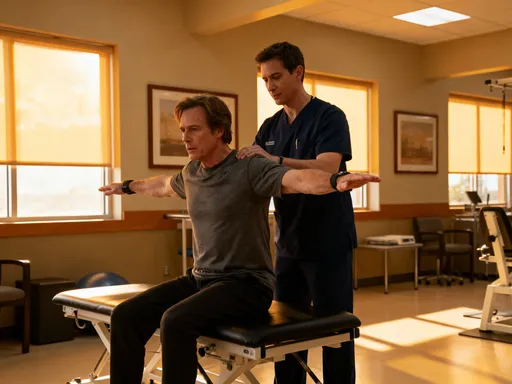
Crucially, effective dance rehab requires guidance from professionals who understand both the art and science of movement. These practitioners are trained in rehabilitation principles and have additional expertise in dance kinesiology, allowing them to design programs that are both safe and expressive. They know how to identify compensatory patterns, adjust for asymmetries, and modify movements to protect vulnerable joints. Their role is not to turn patients into dancers but to use dance as a medium for restoring confidence, coordination, and physical function. When done correctly, dance becomes a bridge between clinical therapy and everyday life, helping individuals move with greater ease, awareness, and joy.
Smart Strategies to Stay Safe and Make Progress
For those interested in incorporating dance into their recovery, starting safely is essential. One of the best approaches is to begin with low-impact, controlled movement styles that emphasize balance and body awareness. Forms inspired by tai chi, gentle ballet barre work, or slow partner-free dances can provide rhythmic engagement without excessive joint loading. These styles allow individuals to focus on alignment, breath, and smooth transitions, laying a strong foundation for more dynamic movement later. Choosing music with a steady, moderate tempo can also help maintain controlled pacing and prevent rushing through movements.
Using tools like mirrors or recorded video can significantly enhance form awareness. Watching oneself move allows for real-time correction of posture, weight distribution, and limb positioning. A mirror placed at the side or front can help ensure that movements are symmetrical and that the spine remains neutral during turns or bends. Additionally, tracking range of motion with simple measurements—such as how far one can lift a leg or rotate a shoulder—provides objective data on progress and helps prevent overexertion. Keeping a movement journal to record daily sensations, improvements, and challenges can also reveal patterns, such as increased stiffness after certain activities, enabling better self-regulation.
Cross-training with strength and stability exercises is another key strategy. Dance movements rely on core control, joint stability, and muscular endurance, all of which can be supported through targeted exercises. Planks, bridges, heel raises, and resisted band work help build the foundational strength needed to move safely and efficiently. Practicing single-leg balance drills or weight shifts on uneven surfaces can improve proprioception, reducing the risk of falls or missteps during dance. These supplemental exercises do not detract from the joy of dance—they enhance it by making movement more secure and sustainable. The goal is not to eliminate dance from rehab but to support it with the physical readiness it demands.
Redefining Success in Recovery
Perhaps the most important shift in mindset when using dance for rehabilitation is redefining what success looks like. In performance dance, success is often measured by precision, height, speed, or complexity. In rehab, the metrics are entirely different. True progress is seen in the ability to stand without pain, shift weight smoothly, or maintain balance while moving to a rhythm. It is found in the quiet moments—when a person realizes they no longer need to hold onto a chair to turn, or when they notice their posture has improved without thinking about it. These functional gains, though less dramatic, are the real indicators of healing.
Dance in rehabilitation should enhance life, not become a new source of pressure. The goal is not to master a routine but to reclaim the freedom of movement in daily activities—walking up stairs, reaching for a shelf, playing with a grandchild. When approached with mindfulness and professional support, dance can be a powerful ally in this journey. It reconnects individuals with their bodies in a way that feels human, expressive, and deeply personal. But it must be guided by wisdom, not just enthusiasm. Healing is not about how gracefully you move, but about how well you listen to your body’s signals and honor its needs.
In the end, my experience taught me that dance can be both a gift and a risk in recovery. It has the power to uplift, inspire, and reawaken the joy of movement. But without structure, awareness, and expert guidance, it can also lead to setbacks that delay healing. The most valuable lesson I learned was the importance of patience and self-awareness. True progress in rehabilitation is not measured by how fast you return to movement, but by how sustainably and safely you rebuild your strength. When dance is used as a tool—not a test—it can become a meaningful part of a holistic, body-centered recovery journey.