How I Stopped Chasing Health Trends and Finally Prevented Burnout for Good
For years, I thought staying healthy meant following the latest trends—juice cleanses, extreme workouts, strict diets. But I kept getting sick, tired, and stressed. Then I realized: real disease prevention isn’t about extremes—it’s about consistency. Small, simple lifestyle shifts made the biggest difference. This is how I transformed my daily routine, boosted my immunity, and finally stayed well—naturally and sustainably. It wasn’t a dramatic overhaul, but a quiet recalibration. Instead of chasing quick fixes, I began listening to my body. Instead of measuring success by weight or workout intensity, I started valuing energy, clarity, and resilience. What emerged wasn’t perfection, but progress—and that made all the difference.
The Wake-Up Call: When "Healthy" Habits Backfired
For nearly a decade, I believed that the harder I pushed, the healthier I would become. My routine included five-day-a-week high-intensity interval training, intermittent fasting that often stretched into undereating, and rotating juice cleanses that left me lightheaded. I wore my discipline like a badge of honor, convinced that if I could just endure long enough, my body would reward me with vitality. Instead, I experienced the opposite. Chronic fatigue set in. I caught every cold that circulated through my workplace. My menstrual cycle became irregular, and I struggled with insomnia despite being physically exhausted. My skin was dull, my hair thinned, and I felt emotionally drained—despite doing what I thought was right.
This contradiction forced me to confront a growing truth: wellness culture had misled me. The modern health movement often glorifies extremes—starvation as discipline, exhaustion as dedication, and restriction as virtue. But the human body is not designed for constant stress. When we subject it to repeated physical and psychological strain under the guise of health, we disrupt delicate systems. The immune system, for example, becomes suppressed when cortisol—the stress hormone—remains elevated over time. Similarly, hormonal imbalances can result from inadequate calorie intake and excessive exercise, particularly in women. What I had mistaken for discipline was actually a slow path toward burnout and immune dysfunction.
The turning point came after a routine blood test revealed low iron levels, elevated inflammatory markers, and signs of adrenal fatigue. My doctor didn’t scold me. Instead, she gently asked, "Are you giving your body enough to recover?" That question changed everything. I realized that disease prevention doesn’t begin with punishing regimens, but with listening. My body wasn’t failing me—it was signaling that my approach was unsustainable. From that moment, I shifted from chasing trends to building resilience through balance. I stopped measuring health by how little I ate or how hard I trained, and began asking: does this support my long-term well-being?
Rethinking Prevention: It’s Not About Cure, It’s About Consistency
True health isn’t achieved through dramatic interventions, but through the quiet power of daily habits. Prevention isn’t a one-time decision; it’s the cumulative effect of small choices repeated over time. Science supports this shift in thinking. Research consistently shows that lifestyle factors—diet, movement, sleep, and stress management—play a more significant role in long-term disease prevention than genetics or isolated medical treatments. The Centers for Disease Control and Prevention estimates that up to 80% of heart disease, stroke, and type 2 diabetes, as well as 40% of cancers, could be prevented through healthy lifestyle choices. These aren’t abstract statistics—they reflect real, modifiable behaviors within reach for most people.
At the core of this approach is the understanding that the body thrives on stability, not shock. When we introduce extreme diets or sudden fitness challenges, we create internal stress. In contrast, consistent, moderate habits allow the body to maintain homeostasis—a state of internal balance that supports immune function, hormone regulation, and cellular repair. For example, chronic inflammation, a key driver of many diseases, is influenced not by one healthy meal or one workout, but by the overall pattern of daily living. A single day of eating vegetables won’t reverse inflammation, but doing so consistently over weeks and months can shift the body’s internal environment toward healing.
The beauty of consistency is that it doesn’t require perfection. Missing a workout or eating dessert doesn’t undo progress. What matters is the overall trajectory. Studies on habit formation suggest that behaviors become automatic after an average of 66 days, though this varies by individual and context. The goal isn’t to be flawless, but to build a routine that feels manageable and repeatable. This is where sustainable health begins—not in the pursuit of an ideal body, but in the creation of a life that supports long-term vitality. When we stop viewing health as a destination and start seeing it as a daily practice, we free ourselves from the cycle of burnout and begin to thrive.
The Morning Reset: How 15 Minutes Set the Tone for Health
Mornings used to be chaotic—rushing to get kids ready, checking emails before my feet hit the floor, and skipping breakfast to save time. But I noticed that days that started in haste often spiraled into stress and poor decisions. So, I committed to a simple 15-minute morning reset, and it transformed my energy and focus. The routine is modest: upon waking, I drink a large glass of water with a squeeze of lemon, do five minutes of gentle stretching, and spend five minutes practicing mindful breathing—inhaling for four counts, holding for four, exhaling for six. That’s it. No elaborate rituals, no expensive supplements, just hydration, movement, and presence.
The benefits were noticeable within days. Hydration kickstarts metabolism and supports kidney function, helping the body flush toxins accumulated overnight. The lemon adds a small dose of vitamin C and encourages saliva production, which aids digestion. Gentle stretching increases blood flow to muscles, reduces stiffness, and signals the nervous system to shift from rest to activity. Most importantly, the breathing practice calms the sympathetic nervous system—the "fight or flight" response—and activates the parasympathetic system, which governs rest and recovery. This simple sequence helps regulate cortisol levels, preventing the sharp spike that often comes from rushing into the day.
What makes this routine sustainable is its simplicity. It doesn’t require special equipment, extra time, or willpower. It can be done in pajamas, with kids nearby, or even in a quiet corner of a bathroom. The key is consistency, not intensity. Over time, this small investment sets a tone of intentionality. Instead of reacting to the day’s demands, I begin with a moment of control. This shift in mindset carries forward—leading to better food choices, reduced stress, and greater emotional resilience. It’s proof that health doesn’t have to be complicated; sometimes, the smallest actions create the deepest change.
Eating Like a Human, Not a Machine: Simple Nutrition That Sticks
I once followed a rigid meal plan that dictated exact portions, macronutrient ratios, and banned entire food groups. It was exhausting. I spent more time weighing food than enjoying it. And when I inevitably deviated—eating cake at a birthday or having seconds at dinner—I felt guilty, as if I had failed. This cycle of restriction and guilt did more harm than good. It disconnected me from my body’s natural hunger and fullness cues and turned eating into a source of anxiety rather than nourishment. I realized I needed a different approach—one that wasn’t about control, but about care.
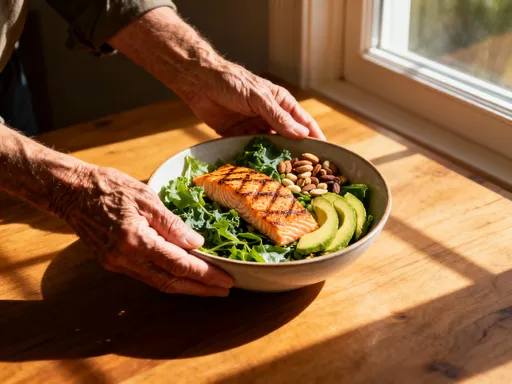
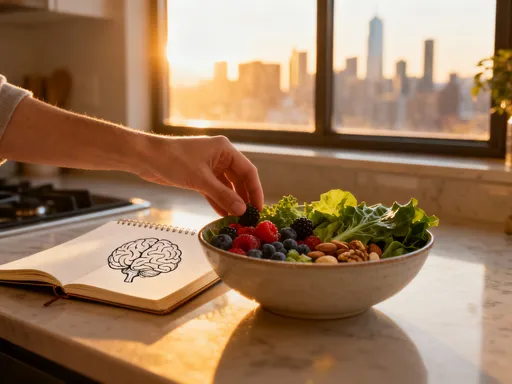
Now, I focus on balanced, whole-food eating that supports long-term health without requiring constant vigilance. My plate centers on vegetables, fruits, whole grains, lean proteins, and healthy fats. I aim for fiber-rich meals—like oatmeal with berries, lentil soup, or roasted sweet potatoes—because fiber feeds beneficial gut bacteria and supports digestive health. I include protein at every meal, whether it’s eggs, Greek yogurt, beans, or fish, to maintain muscle mass and stabilize blood sugar. I also include healthy fats—avocado, olive oil, nuts—because they support brain function and help absorb fat-soluble vitamins. Most importantly, I allow room for flexibility. A piece of dark chocolate, a slice of birthday cake, or a takeout meal doesn’t derail my health—it’s part of a balanced life.
This way of eating reduces the risk of metabolic diseases like type 2 diabetes and heart disease by maintaining stable insulin levels and reducing inflammation. Studies show that diets high in processed foods, added sugars, and unhealthy fats contribute to chronic disease, while whole-food patterns like the Mediterranean diet are linked to longer life and better health outcomes. The key is not perfection, but pattern. Eating well 80% of the time creates a strong foundation. The remaining 20% allows for enjoyment and social connection, which are also vital for well-being. When nutrition becomes sustainable, it stops being a chore and starts being a form of self-respect.
Movement That Fits, Not Forces: Finding Joy in Daily Activity
I used to believe that if a workout didn’t leave me drenched in sweat and gasping for air, it didn’t count. I chased endorphins like they were the only measure of success. But my body rebelled. Joint pain, fatigue, and frequent injuries made it clear: forced movement wasn’t serving me. I needed a new definition of exercise—one that wasn’t about punishment, but about presence. I began to explore movement that felt good, not grueling. Walking in the park, dancing in the kitchen, stretching while watching TV—these small acts of motion became the backbone of my routine.
What I discovered is that enjoyable movement is more effective for long-term adherence than intense but unpleasant workouts. Research confirms this: people who engage in activities they enjoy are more likely to stick with them over time. Moreover, moderate daily movement—like walking 7,000 to 10,000 steps—has been linked to lower risks of cardiovascular disease, certain cancers, and premature death. Even household chores—vacuuming, gardening, carrying groceries—contribute to daily activity and support muscle strength and joint health. The goal isn’t to burn the most calories, but to stay consistently active in ways that feel natural and sustainable.
Integrating movement into daily life doesn’t require a gym membership or special gear. I take walking calls when possible, use the stairs instead of the elevator, and set a timer to stand and stretch every hour. These micro-movements add up, improving circulation, reducing stiffness, and boosting mood. Over time, I’ve noticed greater stamina, better posture, and fewer aches. Most importantly, I no longer dread exercise. Movement has become a form of self-care, not a chore. When physical activity is rooted in joy rather than obligation, it becomes a lifelong habit—one that protects against disease and enhances quality of life.
Sleep: The Silent Guardian of Immune Health
For years, I treated sleep as a luxury—a reward I’d earn after finishing everything on my to-do list. I stayed up late answering emails, scrolling through social media, or watching TV. In the morning, I relied on coffee to function. But I was constantly catching colds, feeling foggy, and struggling with low mood. It wasn’t until I prioritized sleep that I realized how foundational it is to health. Sleep isn’t downtime—it’s active recovery. During deep sleep, the body repairs tissues, consolidates memories, and strengthens the immune system. Without enough quality rest, these processes are disrupted, leaving us vulnerable to illness and cognitive decline.
The link between sleep and immunity is well-established. During sleep, the body produces cytokines—proteins that help fight infection and inflammation. Lack of sleep reduces their production, weakening the immune response. Studies show that people who sleep fewer than six hours per night are more likely to catch colds and take longer to recover. Poor sleep is also linked to higher risks of chronic conditions like obesity, diabetes, and heart disease. Recognizing this, I made sleep non-negotiable. I set a consistent bedtime, even on weekends. I created a wind-down routine: turning off screens an hour before bed, dimming the lights, and reading a book. I kept my bedroom cool, dark, and quiet—optimal conditions for melatonin production.
The results were profound. Within weeks, I noticed fewer colds, sharper focus, and improved emotional stability. I no longer needed an afternoon nap or a second cup of coffee. My energy became more consistent throughout the day. Sleep became my anchor—a daily reset that supported every other healthy choice. It’s a reminder that rest is not laziness; it’s a biological necessity. When we honor our need for sleep, we give our bodies the tools to protect themselves. In a world that glorifies busyness, choosing rest is one of the most powerful acts of self-care.
Stress, the Invisible Threat—And How to Tame It Daily
Stress used to be my constant companion. I wore it like a second skin—tight shoulders, shallow breathing, a racing mind. I didn’t see it as a health issue; I saw it as normal. But chronic stress is anything but normal. It silently undermines every system in the body. Elevated cortisol levels over time can lead to weight gain, high blood pressure, weakened immunity, and digestive issues. The American Psychological Association notes that prolonged stress is linked to increased risks of heart disease, anxiety, and depression. Yet, many of us ignore its signals until we hit a breaking point.
Instead of waiting for burnout, I began building small, daily practices to manage stress before it built up. I started journaling for ten minutes each evening, writing down what I was grateful for and what was on my mind. This simple act helped me process emotions and gain perspective. I also incorporated breathing exercises—like box breathing or diaphragmatic breathing—into my day. These techniques activate the vagus nerve, which helps calm the nervous system. I also created digital detox moments: no screens during meals, no phones in the bedroom, and short walks without my device. These boundaries gave me space to breathe and reconnect with the present moment.
Over time, these micro-practices built emotional resilience. I became less reactive to daily frustrations and more capable of handling challenges with calm. I didn’t eliminate stress—life will always have demands—but I changed my relationship with it. Instead of letting it accumulate, I learned to release it daily. This shift didn’t just improve my mental health; it strengthened my physical health, too. Lower stress means lower inflammation, better sleep, and a more robust immune system. Managing stress isn’t about grand gestures; it’s about small, consistent acts of self-awareness and care.
Conclusion: Health Isn’t a Goal—It’s a Daily Practice
Looking back, the greatest change wasn’t in my body, but in my mindset. I stopped chasing perfection and started honoring sustainability. I learned that health isn’t a destination reached through extreme measures, but a path built through daily choices. Drinking water first thing in the morning, eating a balanced meal, taking a walk, going to bed on time, pausing to breathe—these small actions, repeated over time, create lasting protection. They are not flashy or viral, but they are powerful. They are backed by science, rooted in consistency, and accessible to anyone.
The habits that prevent burnout and support long-term wellness don’t require expensive programs or drastic changes. They require presence, patience, and persistence. Progress, not perfection, is the goal. Some days will be better than others, and that’s okay. What matters is the overall pattern. When we shift from viewing health as a series of goals to seeing it as a way of living, we free ourselves from guilt and embrace empowerment.
These practices are personal, sustainable, and supported by decades of research. Still, every individual is different. What works for one person may not work for another. It’s always wise to consult a healthcare professional before making significant changes, especially if you have underlying health conditions. But for most of us, the path to lasting health is simpler than we’ve been led to believe. It’s not about doing more—it’s about doing what matters, consistently. And in that consistency, we find not just prevention, but peace.